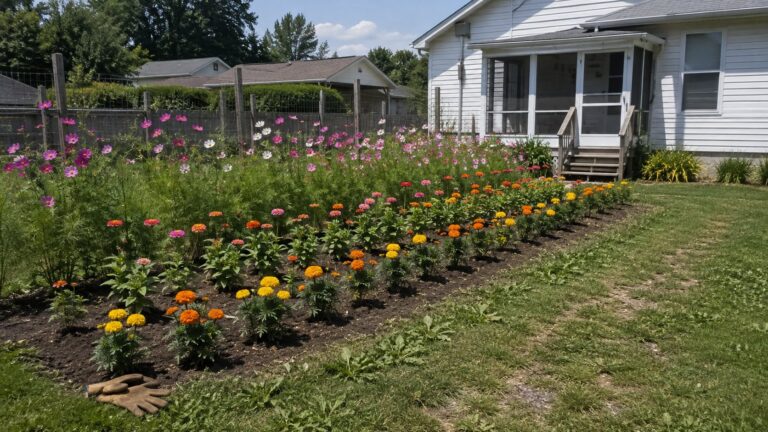
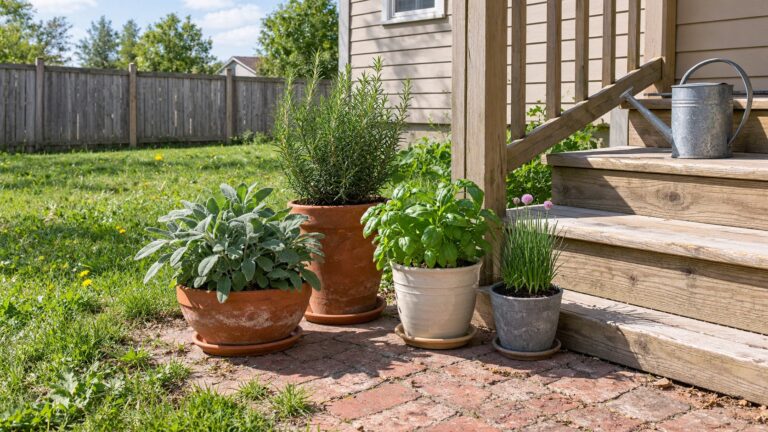
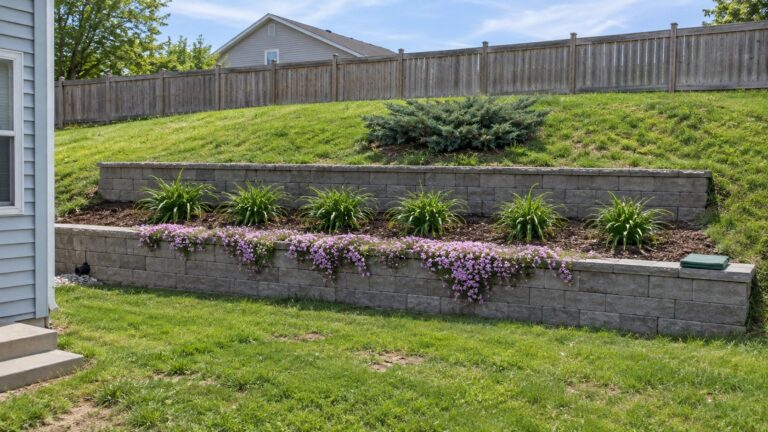
Shade Garden Ideas: 15 Plans for Under Trees and Beside Fences

Shade garden ideas start with one question: what kind of shade is it? Dry under a maple, damp by a north fence, dappled, or dark under a spruce.
These 15 plans are sorted that way, and none piles soil over tree roots.
Find your shade first, then pick the plan.
What kind of shade do you have?
1. Pennsylvania Sedge Where the Lawn Under the Maple Gave Up
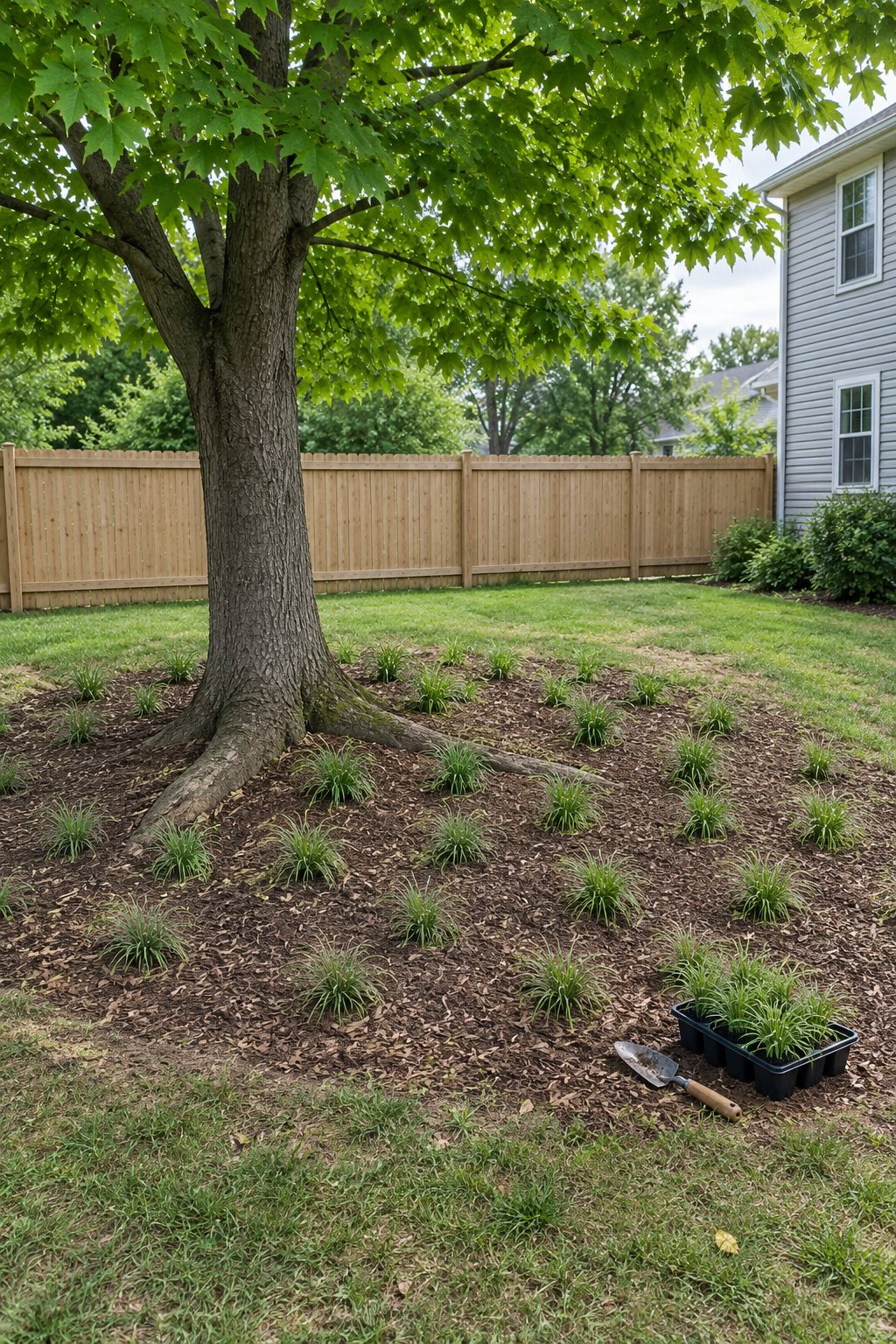
Grass thins under a big maple because the tree takes the light and the water. Pennsylvania sedge is a native made for dry shade, so set plugs 8 to 12 inches apart in trowel holes, with no tilling.
It takes light foot traffic, not a play lawn, and needs a mow once or twice a season at most.
2. Planting Pockets Between Oak Roots: White Wood Aster and Wild Columbine
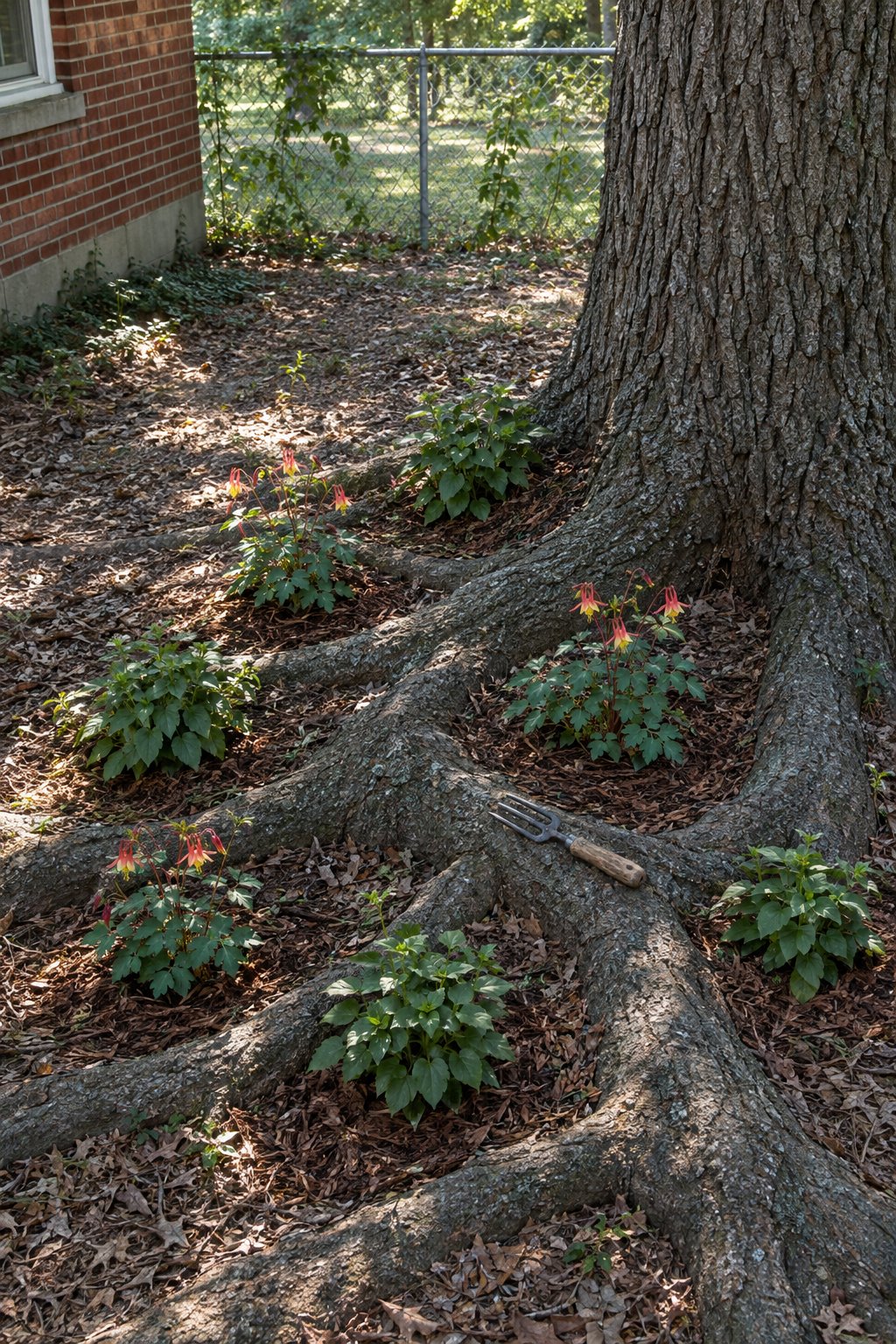
Under an oak, skip the raised bed, because soil piled over roots cuts off their air. Dig small pockets by hand between the roots and plant white wood aster and wild columbine from small pots.
The aster flowers white from late summer into fall, and the columbine nods red and yellow in spring.
For a different mix in the same kind of spot, try this dry shade mix of epimedium and hellebore.
3. Snowdrops and Daffodils Under a Maple, Up Before the Leaves

A deciduous tree lets plenty of light reach the ground in early spring, so bulbs get their sun before the canopy closes. Plant snowdrops and daffodils in fall, in small clusters between the roots, with a bulb trowel.
Snowdrops are among the bulbs that cope best with tree-root competition.
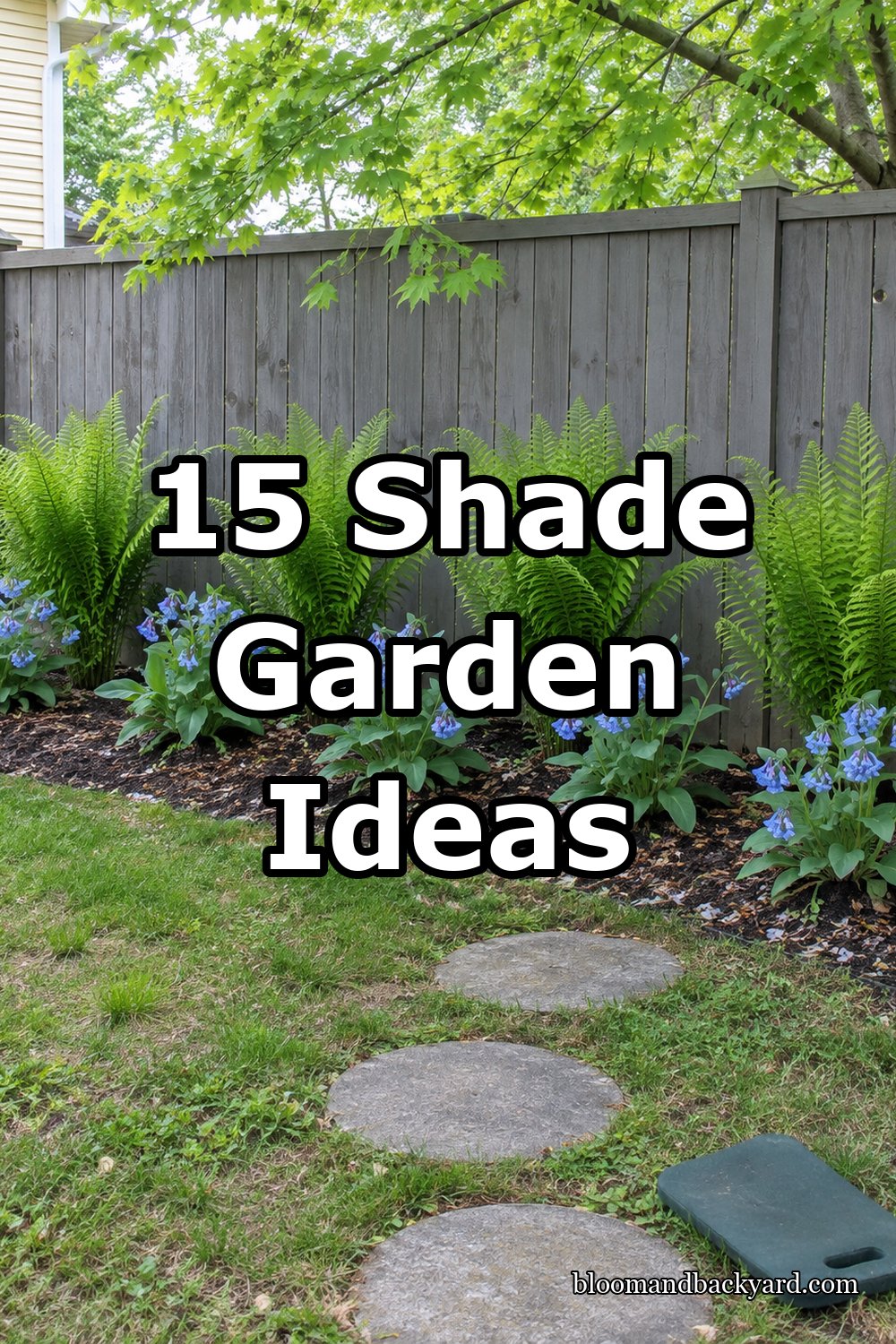
4. Virginia Bluebells Tucked Between Ostrich Ferns Along the North Fence
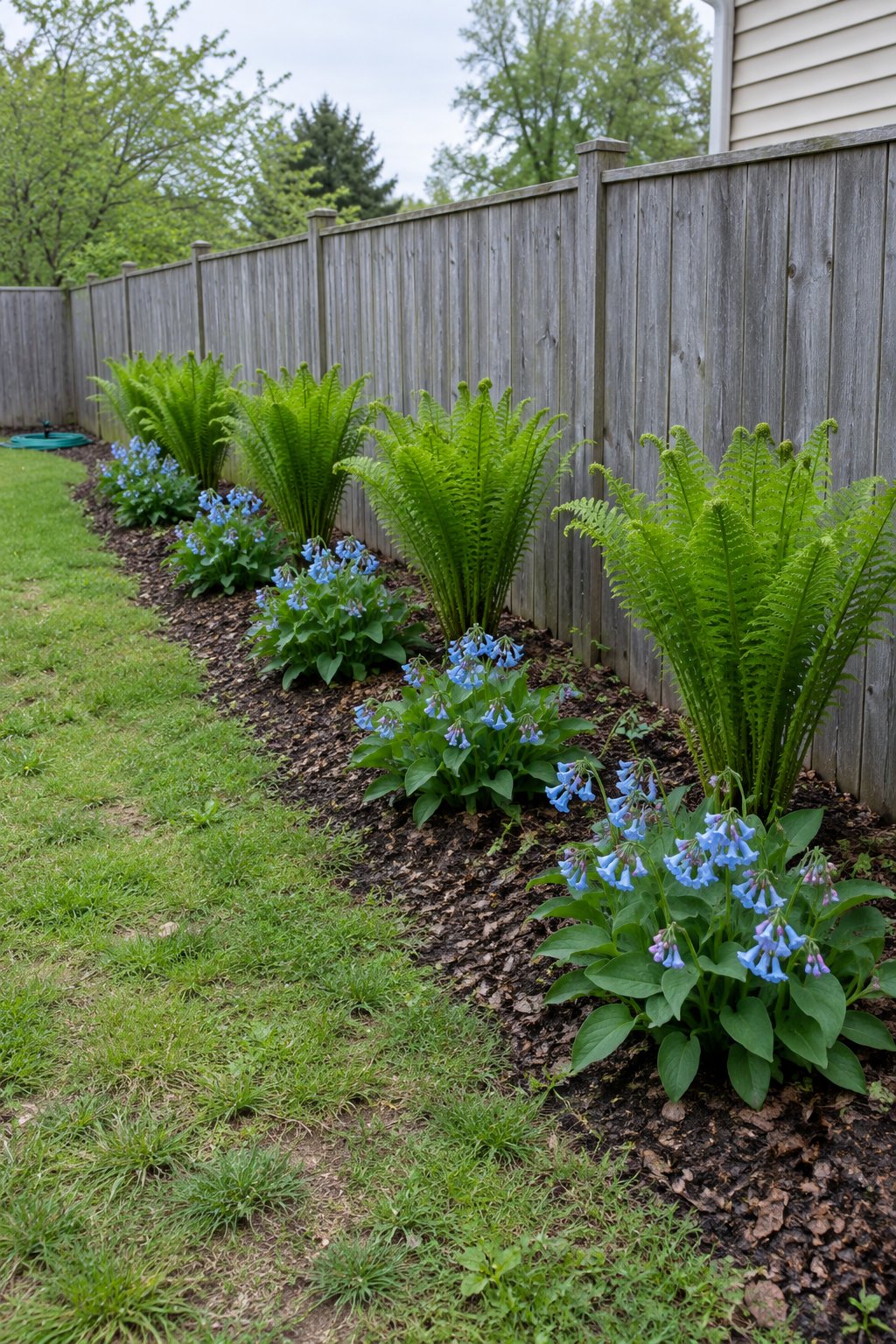
A north fence keeps the soil cool and damp, which is what both plants want. Virginia bluebells flower sky blue in spring and die back by early to midsummer, and the ferns fill the gap.
Ostrich fern spreads by runners into a colony, so give it the whole strip or an edge it cannot cross.
5. Turtlehead and Cinnamon Fern for the Wet Corner by the Shed

Most yards have one shady corner where rain sits for a day, and that is the spot for plants of wet woods. Turtlehead wants moist to wet soil in part shade, and it flowers white or pink, by species, from late summer into fall.
Cinnamon fern grows 2 to 5 feet tall, so it goes behind the turtlehead.
6. Blue Hosta, Maidenhair Fern and Chartreuse Coral Bells for Leaf Contrast

Shade beds look flat when every leaf is the same size and green. Pair one big blue hosta with a drift of fine northern maidenhair fern and chartreuse coral bells in front, all in moist shade.
Big, fine and bright is the whole recipe, and the leaves do the work flowers do in sun.
Deer browse hostas in many areas, so see what gets eaten on your street first.
7. Bloodroot Over a Carpet of Wild Ginger at the Woodland Edge
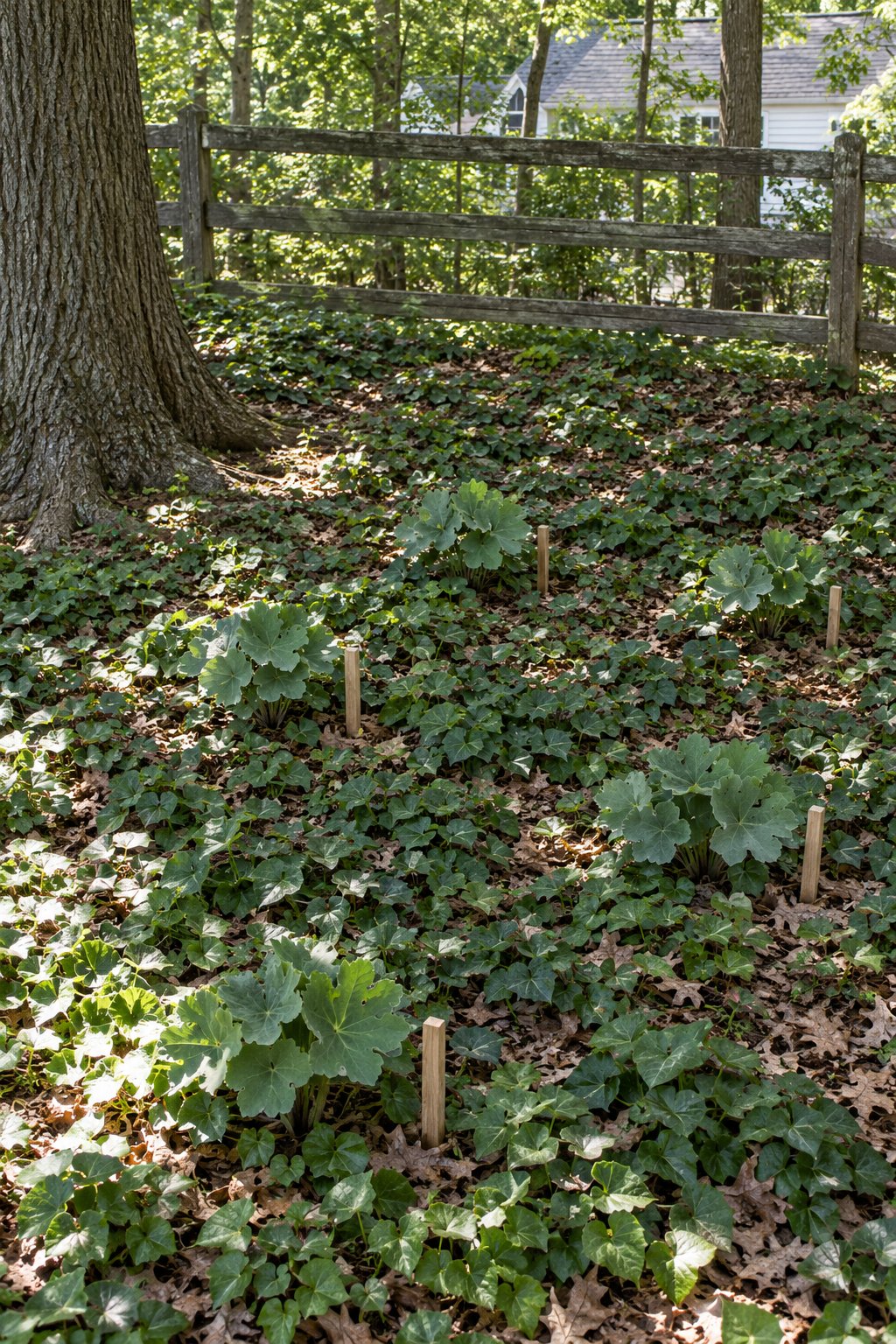
Bloodroot is a native wildflower that opens white in early spring and fades by midsummer. Wild ginger covers the ground around it with heart-shaped leaves, and both like dappled shade and moist soil that is never soggy.
Buy nursery-propagated plants, never ones dug from the wild.
8. Oakleaf Hydrangea Behind Creeping Phlox and Jacob’s Ladder
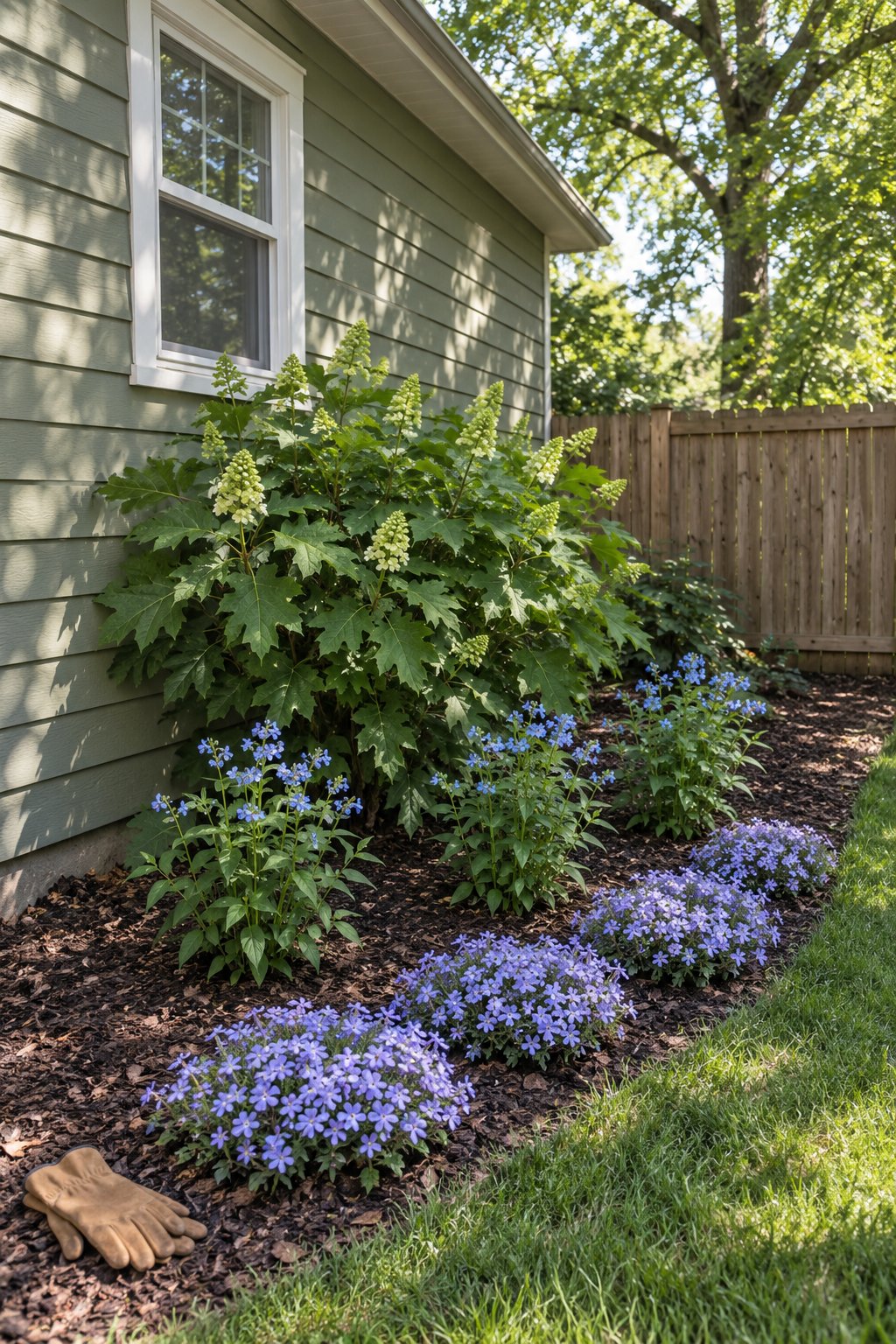
Oakleaf hydrangea suits dappled shade, with white flower cones in early summer and leaves that color in fall. It can reach about 6 to 8 feet tall and wide, so give it the back of a deep bed.
Creeping phlox and Jacob’s ladder fill the front with lavender and blue in spring.
9. Trade the Mulch Volcano Under a Small Tree for a Ring of Lenten Roses
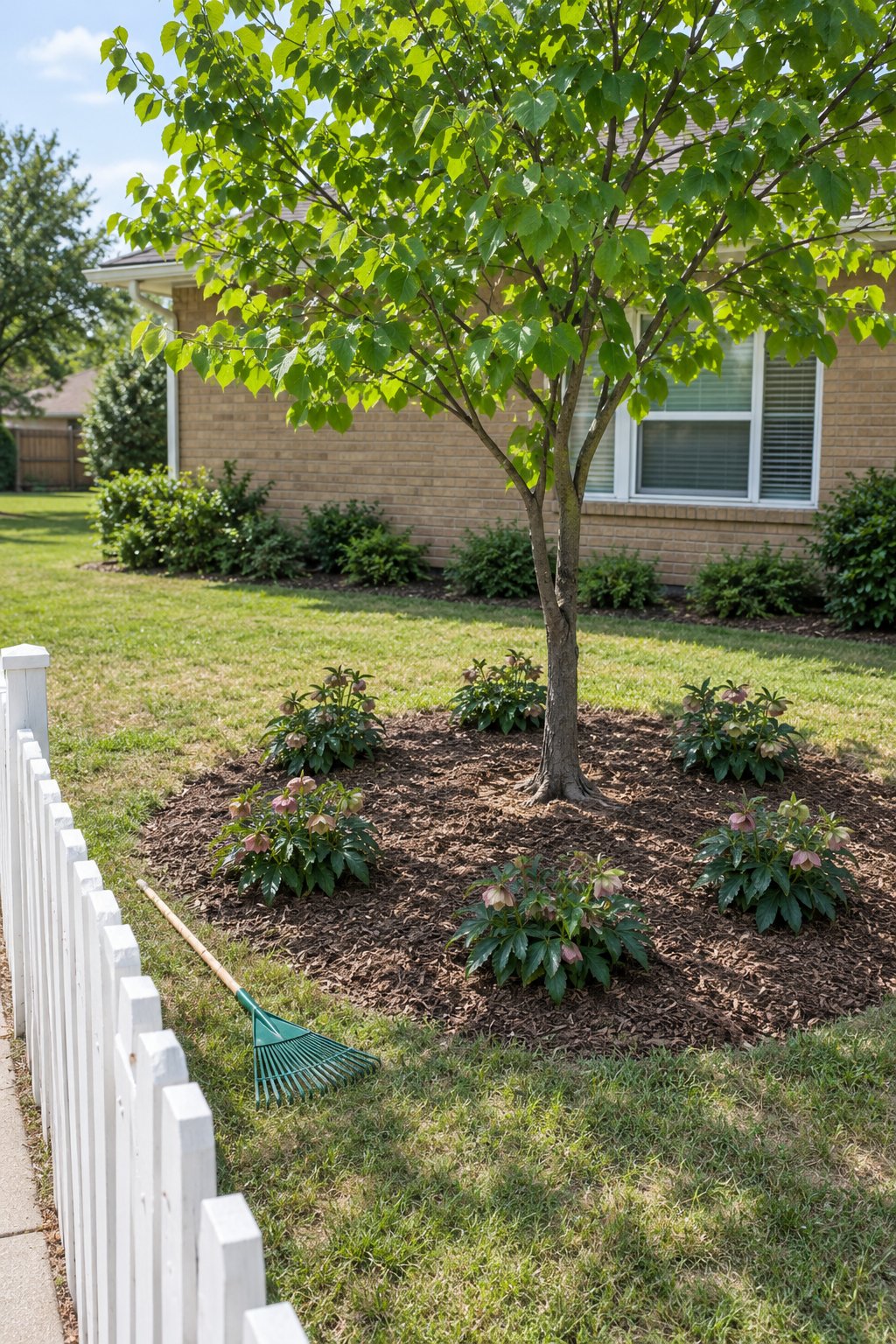
A cone of mulch piled against a trunk keeps the bark wet, and it is the most common way people plant under a small tree. Pull it back and spread mulch flat, 2 to 3 inches deep, out toward the drip line.
Then plant Lenten roses in pockets around the ring, for part to full shade and flowers from late winter into spring.
More on depth and materials in these mulch landscaping ideas.
10. Under a Spruce, Keep the Needle Floor and Plant Christmas Ferns at the Drip Line

The ground under a big spruce is dark and dry most of the year, and turf or a new bed there rarely works. Leave the needles as the floor, set a bench under the outer branches and plant only at the drip line, where rain reaches.
Christmas fern stays green through winter and takes dry shade once it settles in.
11. Pots on a Gravel Pad Where Nothing Will Root: Hosta, Autumn Fern and Caladiums
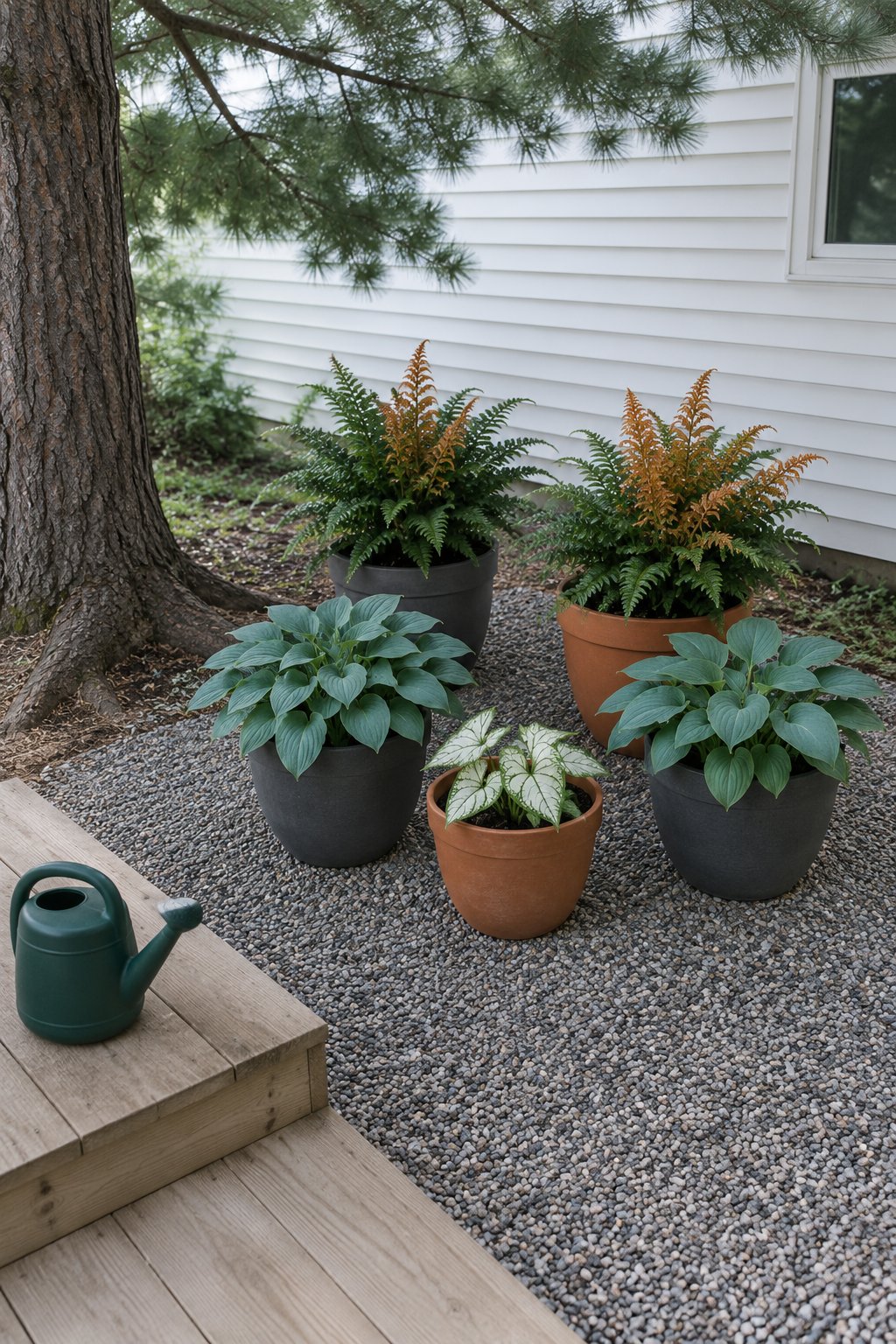
When roots are too thick for even a trowel, put the garden in pots on a level gravel pad. Hosta and autumn fern take full shade, and caladiums add white and pink leaves once nights stay warm.
It is the most renter-friendly plan here, because every pot leaves with you.
12. Smooth Hydrangea and Toad Lily Along a Fence That Gets Morning Sun

A fence with sun until about noon and shade after is the easiest shade there is. Smooth hydrangea is a native that likes part shade and flowers in summer on new wood, and toad lily opens spotted flowers in early fall.
Both want evenly moist soil, so lay a soaker hose before you mulch.
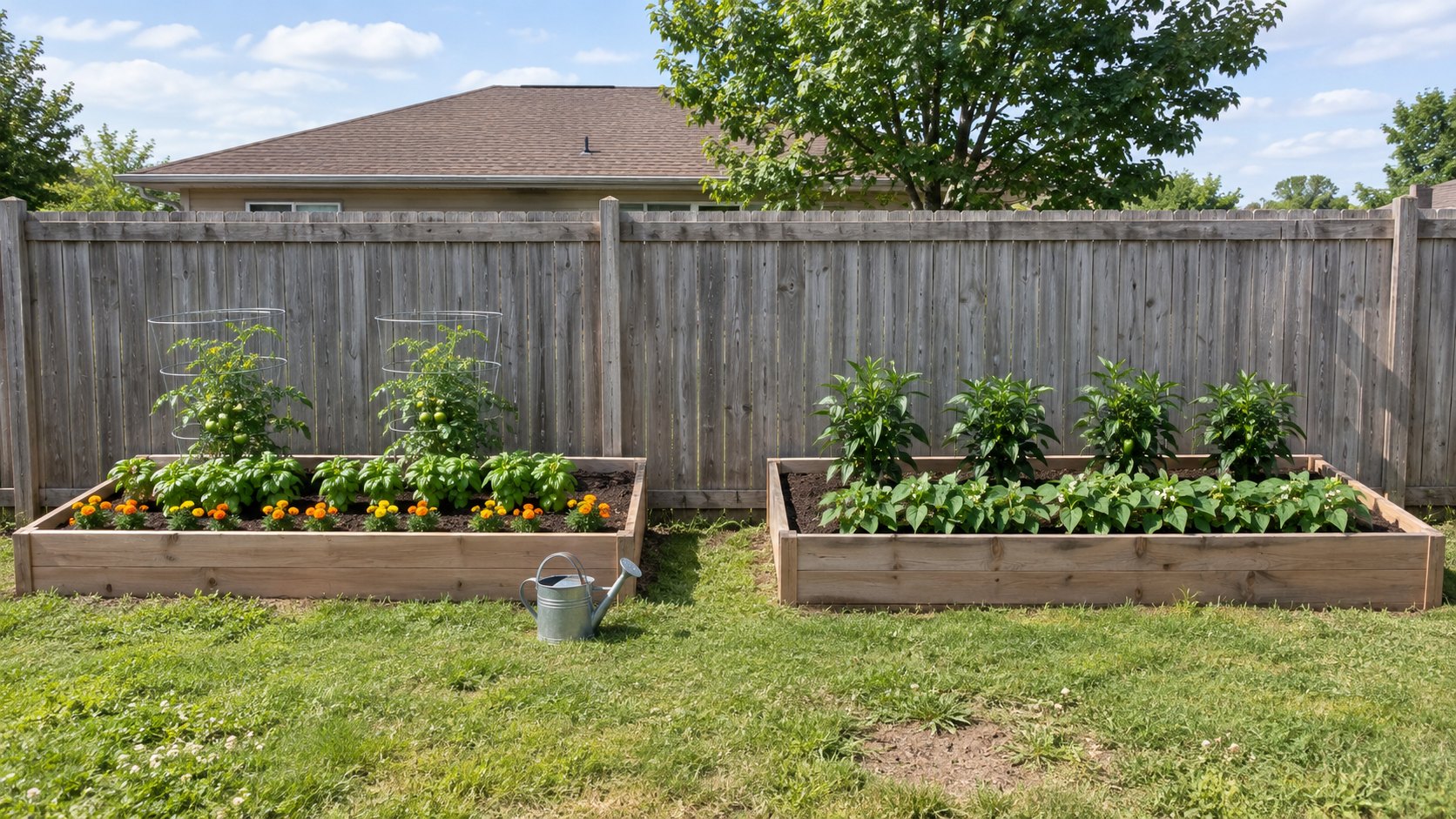
13. Lettuce, Chard and Parsley in a Bed With Only Morning Sun

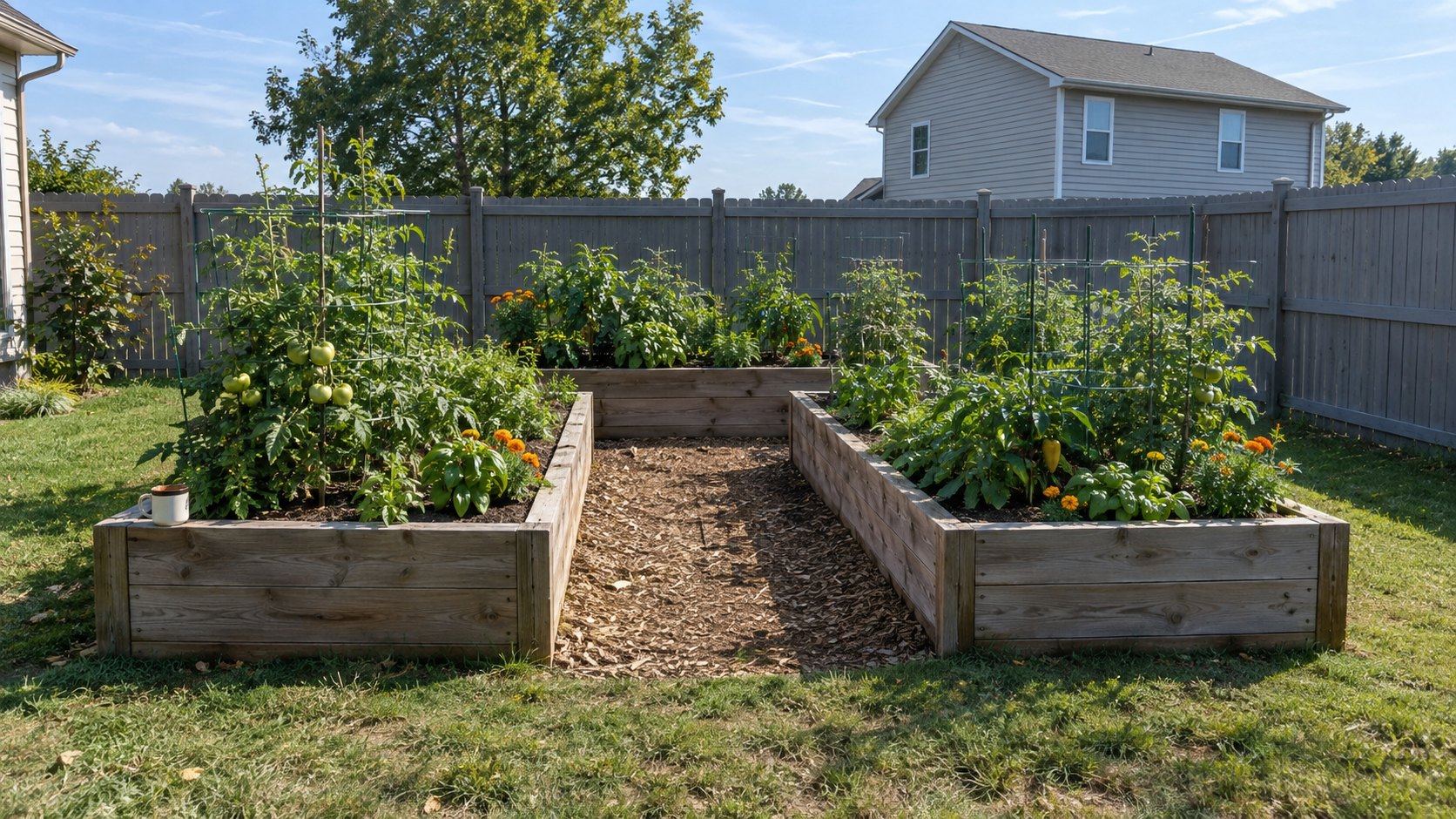
A spot with about 3 to 4 hours of morning sun is too dark for tomatoes and right for leafy greens and parsley. Set a low raised bed on open lawn, well away from tree roots.
Afternoon shade keeps lettuce cooler as spring warms up.
There are more layouts in these small vegetable garden ideas.
14. Allegheny Spurge Instead of Japanese Pachysandra Under a Small Tree

Japanese pachysandra is the classic shade groundcover, and it is reported invasive in parts of the East, including Virginia and DC. Allegheny spurge is its North American cousin, with matte mottled leaves and white flower spikes in early spring.
It is native from Kentucky south, so check whether it counts as native where you live.
15. Pull the English Ivy and Periwinkle, Then Replant With Golden Ragwort
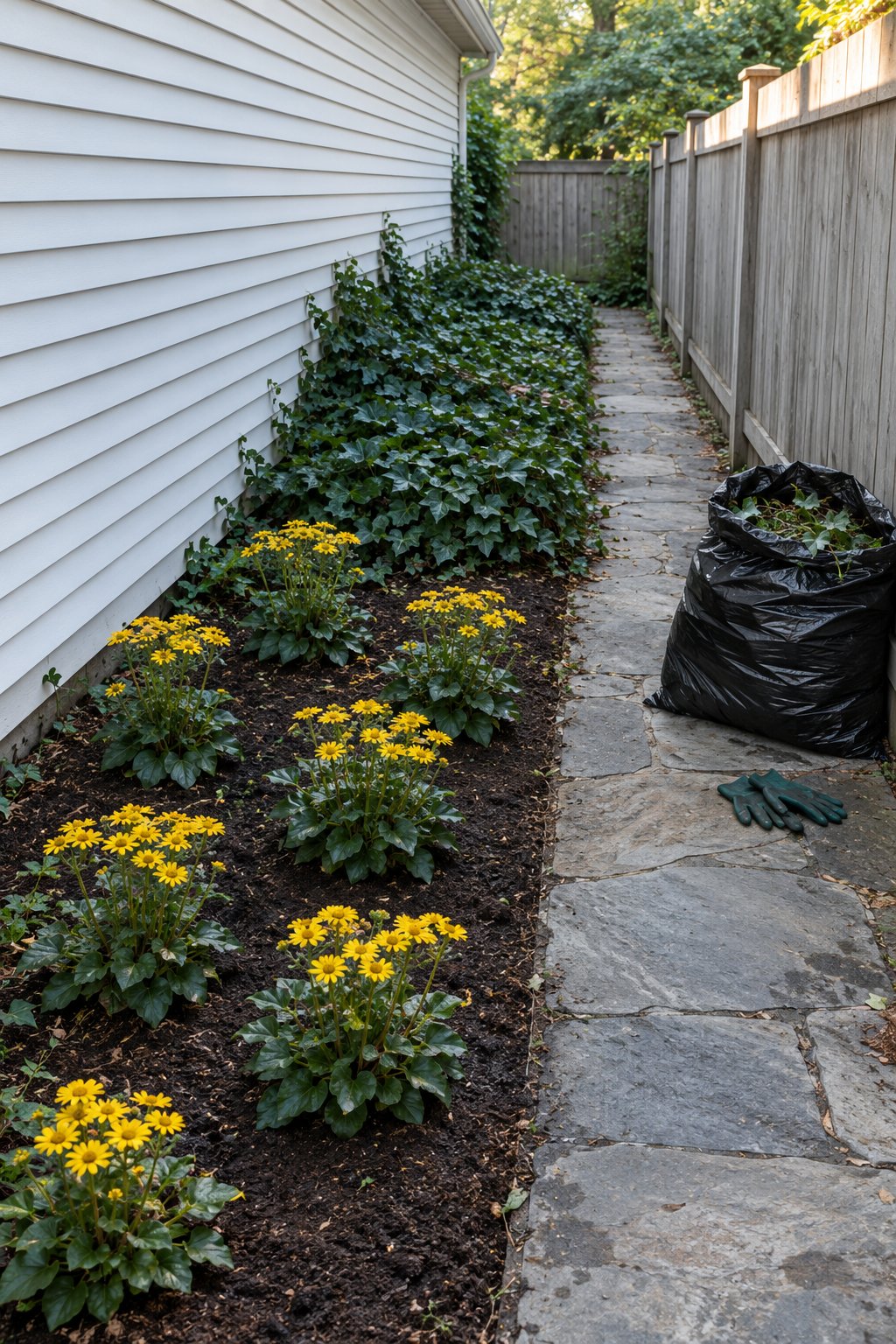
English ivy, periwinkle (vinca minor) and goutweed are still sold as easy shade groundcovers, and all three spread into woods and neighbors’ beds. Pull them in sections and bag the pieces instead of composting them.
Golden ragwort is a native that spreads into a low carpet in moist part shade, with yellow daisies in spring.
Shade Types on One Page
Watch the spot on one sunny day in late spring before you buy a plant.
Count the hours of direct sun, and note whether the soil stays damp a day after rain.
| Kind of shade | How to tell | Plans |
|---|---|---|
| Part shade, morning sun | About 3 to 6 hours of direct sun, mostly before noon | 12, 13 |
| Dappled shade | Moving spots of light through a high canopy all day | 7, 8, 9, 14 |
| Dry shade | Under a big tree, where the roots take the rain | 1, 2, 3 |
| Moist shade | North side or low ground, damp a day after rain | 4, 5, 6, 15 |
| Deep shade | Under 3 hours of sun, often under evergreens | 10, 11 |
| Mulch under any tree | 2 to 3 inches, flat, kept off the bark | 9 |
Six Shade Garden Mistakes to Skip
A raised bed over tree roots
Do thisAdded soil cuts off the air roots need, and even a few inches can harm some trees. Plant in small hand-dug pockets instead.
Tilling under a tree
Do thisMost of a tree’s fine roots sit in the top foot or so of soil. Dig each hole by hand and skip the tiller.
Cutting roots to fit a plant
Do thisChoose small plants that fit between roots, and leave any root thicker than about half an inch.
Buying invasive groundcovers for speed
Do thisSkip English ivy, periwinkle, goutweed and, in much of the East, Japanese pachysandra. Native sedge, wild ginger or Allegheny spurge fill more slowly and stay put.
Wildflowers dug from the woods
Do thisBuy bloodroot, trillium and other woodland natives as nursery-propagated plants only.
Skipping the first summer of watering
Do thisTree roots take the water first, so soak new shade plants through every dry spell in their first year.
The Sunny Weeks Before the Leaves Come Out
Under a deciduous tree, early spring is close to full sun, because the branches are still bare.
That is the window bloodroot, Virginia bluebells, snowdrops and daffodils use: they flower and feed before the canopy closes, then fade.
So the ground that looks bare in July can be the brightest bed in the yard in April.
Plant the same spot twice, with ephemerals and bulbs for the spring window and ferns, sedge or asters for the shaded months. Stand under the tree in March and again in June, and you will see both gardens you are planting for.
Start with one spot and one day: count the sun, feel the soil after rain and match it to a group above. Plant only that plan this season, then add a few native plants for pollinators where a corner gets more light.
The right plant for the shade you have beats fighting for a lawn under a tree.
Frequently Asked Questions
What grows in dry shade under a tree?
Pennsylvania sedge, white wood aster and Christmas fern all take dry shade once settled. Water them through dry spells in the first year, because the tree roots take the water first.
Can I build a raised bed under a tree?
It is better not to: soil piled over roots cuts off their air, and even a few inches can harm some trees. Plant small plants in hand-dug pockets between the roots instead.
What is the difference between part shade and full shade?
Part shade usually means about 3 to 6 hours of direct sun a day, often in the morning. Full or deep shade means less than about 3 hours.
What can I plant instead of grass in the shade?
Pennsylvania sedge, wild ginger, Allegheny spurge and golden ragwort are good shade groundcovers for lawn that keeps failing. Skip English ivy, periwinkle and goutweed, which spread out of the yard.
When should I plant a shade garden?
Spring and fall both work for perennials and sedge plugs. Snowdrops and daffodils go in the ground in fall for flowers the next spring.
You Might Also Like

Save This For Later
Loved shade garden ideas? Save this pin to your Pinterest board now so you can find it again anytime you need the inspiration.