Florida Landscaping Ideas: 15 Plans That Handle Heat, Sand and Storms
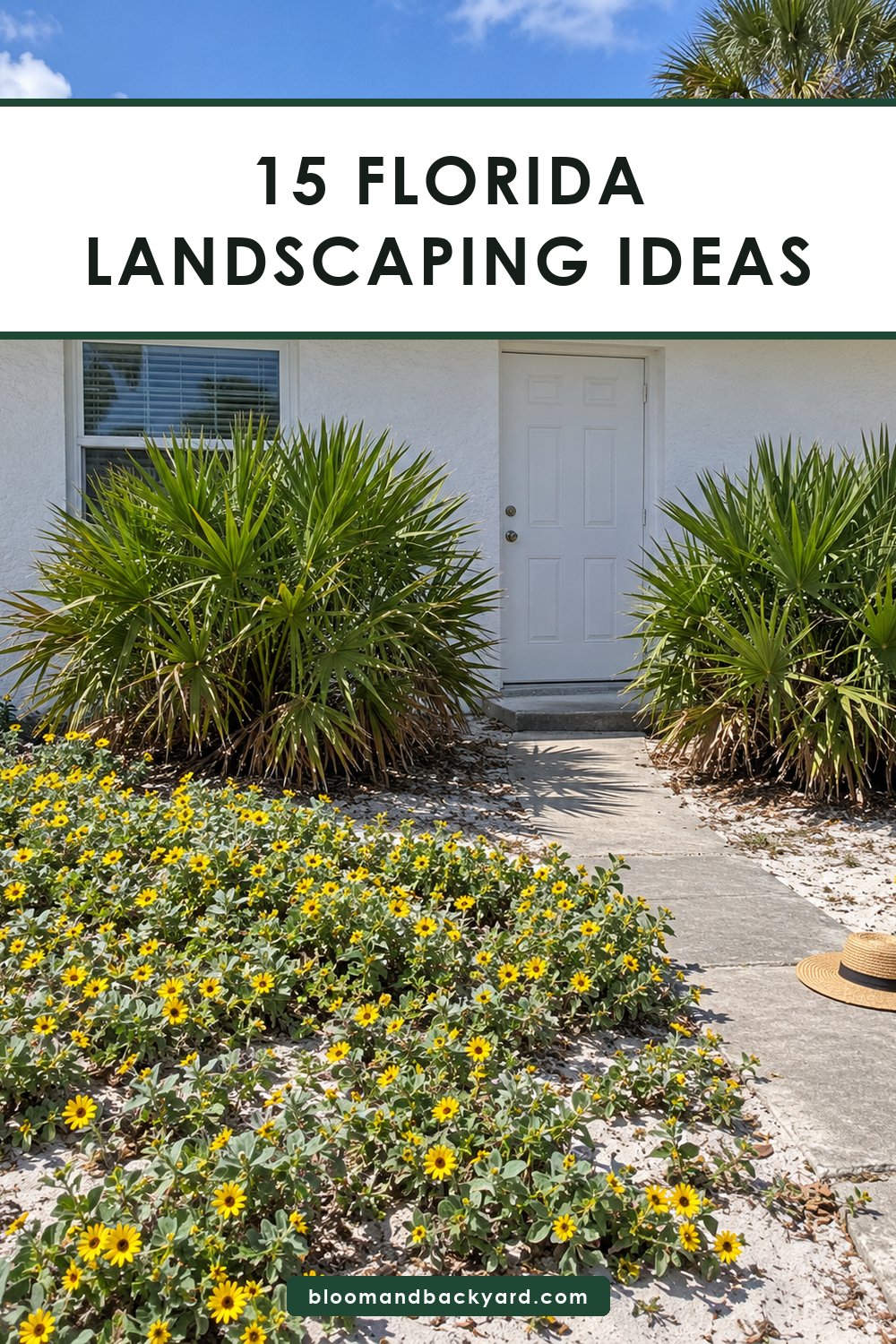
Florida landscaping ideas have to survive what a Northern plan never meets: sand that drains fast, salt on the wind and a hurricane season.
These 15 plans follow UF/IFAS Florida-Friendly Landscaping principles and say which region each plant suits.
Natives first, invasives named, and nothing big planted close to the roof.
Find your Florida yard
1. Shrink the St. Augustine to a Front Rectangle and Wrap It in Fakahatchee and Muhly Grass

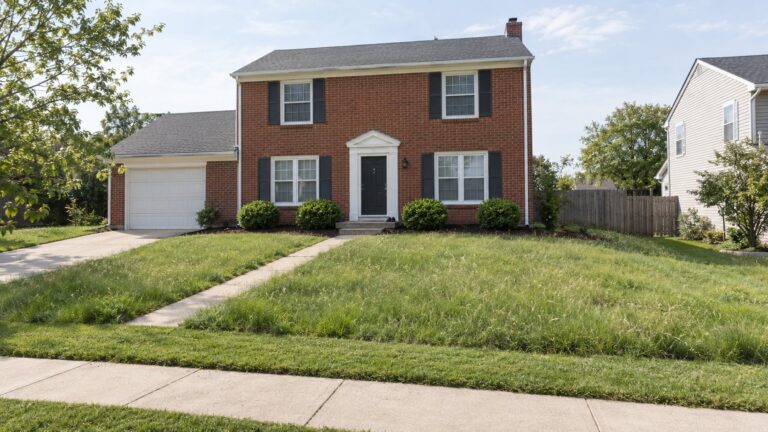
Most Florida front lawns are bigger than anyone uses, and cutting yours back is the first Florida-Friendly move. Keep a neat rectangle of St. Augustine and curve a bed around it, Fakahatchee grass at the back, muhly grass in front.
Fakahatchee clumps reach 4 to 6 feet across, so plant them at least 3 feet in from the walk.
2. Plant a Low Row of Coontie Under the Front Windows, Set Out From the Block Wall

Coontie is the foundation plant I’d pick for a block ranch, because it stays low under the windows. It takes sun to shade, though UF/IFAS rates partial shade as its best spot.
Leave the first 2 to 3 feet next to the wall free of organic mulch, as UF/IFAS county guidance suggests, and plant just beyond it.
3. Swap the Side Strip of Turf for Perennial Peanut
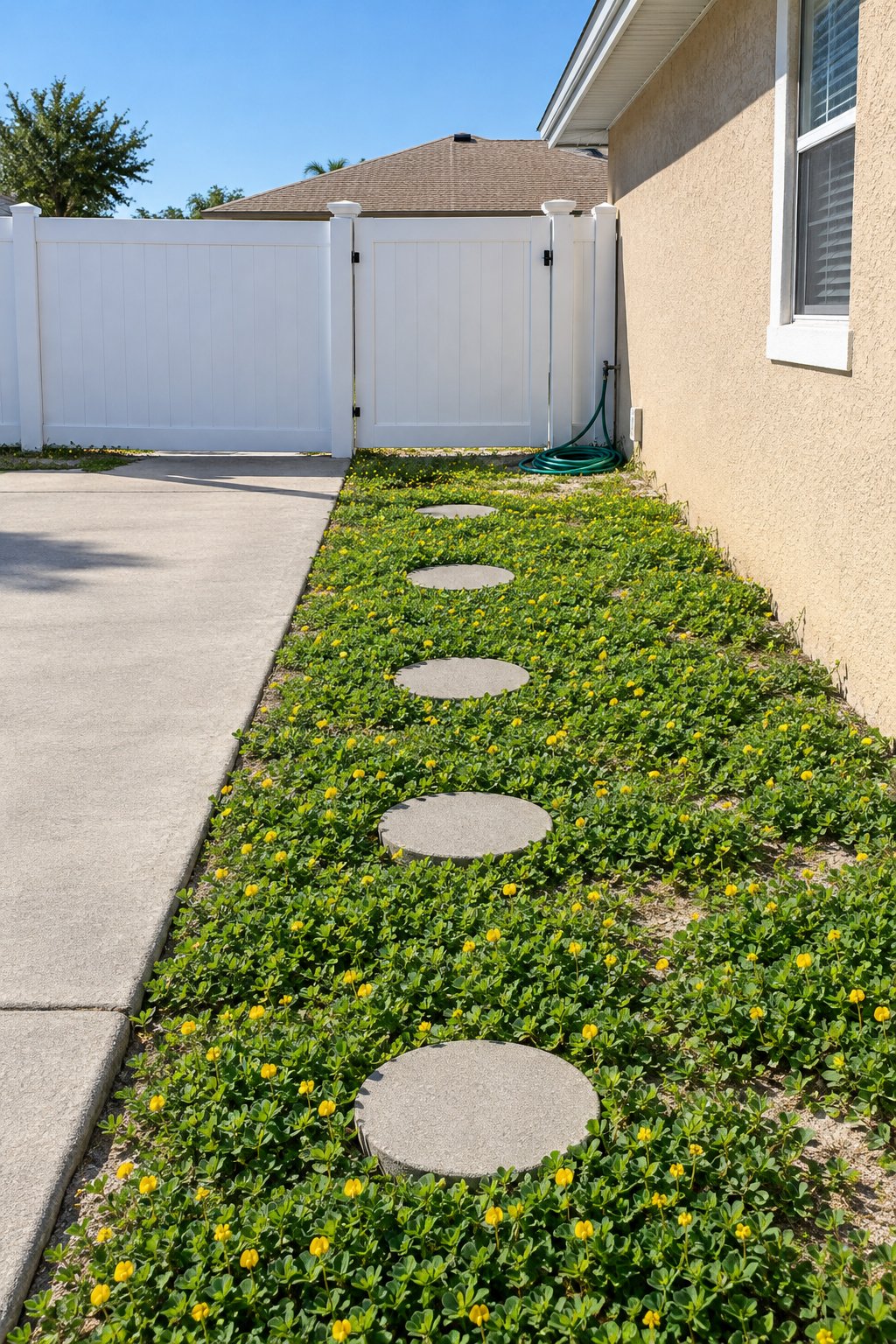
Perennial peanut belongs in the strip nobody walks on, where it flowers yellow and needs little or no fertilizer because it fixes its own nitrogen. Plant plugs 12 to 18 inches apart and water regularly until they knit, one of the easier low maintenance front yard plans for Florida.
Plugs can take up to two years to cover fully, so lay sod if you need it green now.
4. A Sea Grape Screen on the Windward Side of a Coastal Lot

On a lot that takes salt wind off the water, sea grape is the screen I’d plant, since it is a native dune plant. It grows naturally on the coasts of Central and South Florida and is sensitive to frost.
Left alone it can become a tree 35 to 50 feet tall, so plant it as a hedge only if you will prune it every year.
5. Saw Palmetto and Beach Sunflower Across a Salty Front Yard
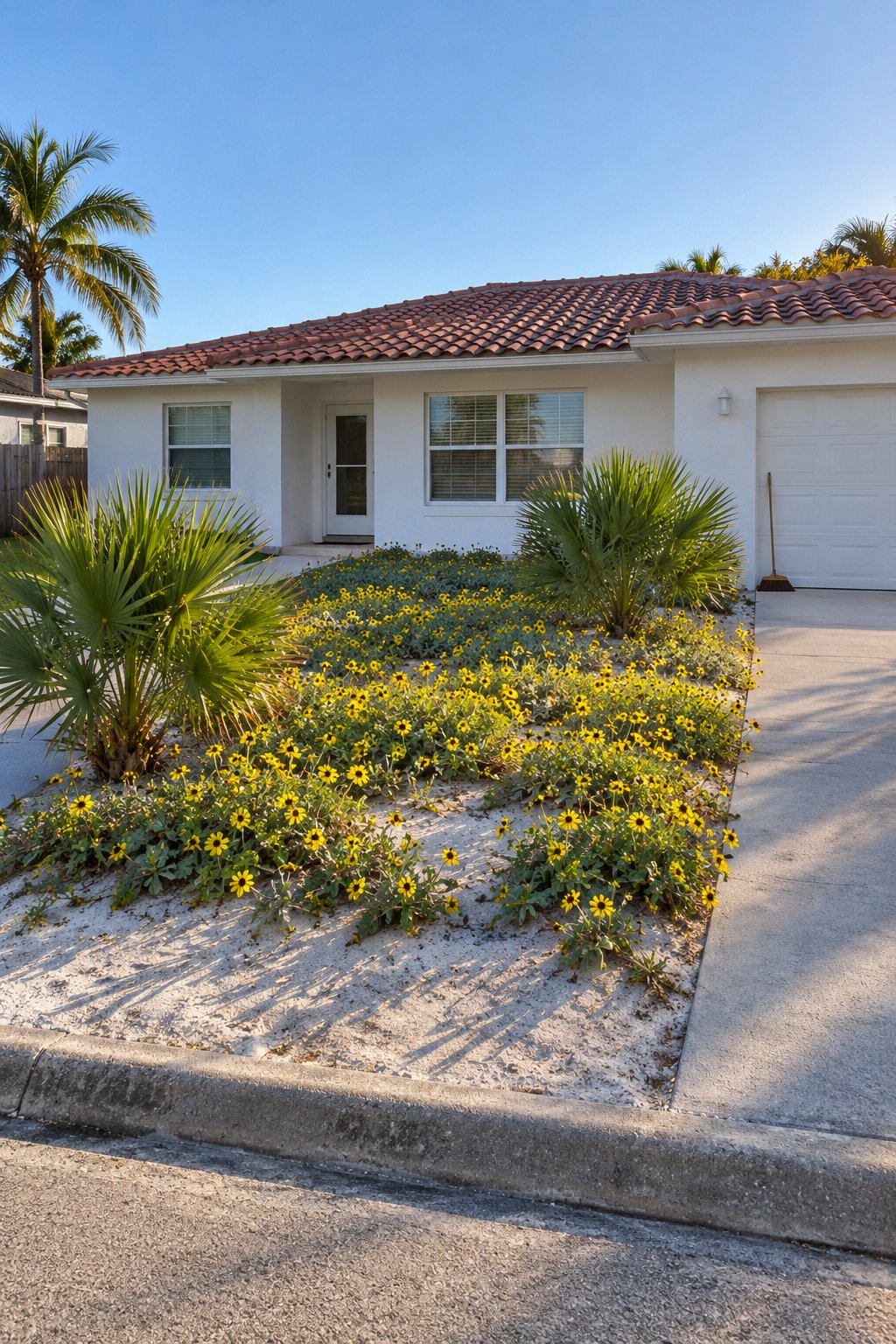
Near the beach, the front bed should be built only from plants rated high for salt, and saw palmetto and beach sunflower both are. Let the palmettos anchor the corners, set back from the walk because their leaf stems are toothed.
Beach sunflower runs across the sand between them and reseeds itself, so give it an edge at the drive.
6. Three Sabal Palms Grouped at the Back Corner, Fronds Left On
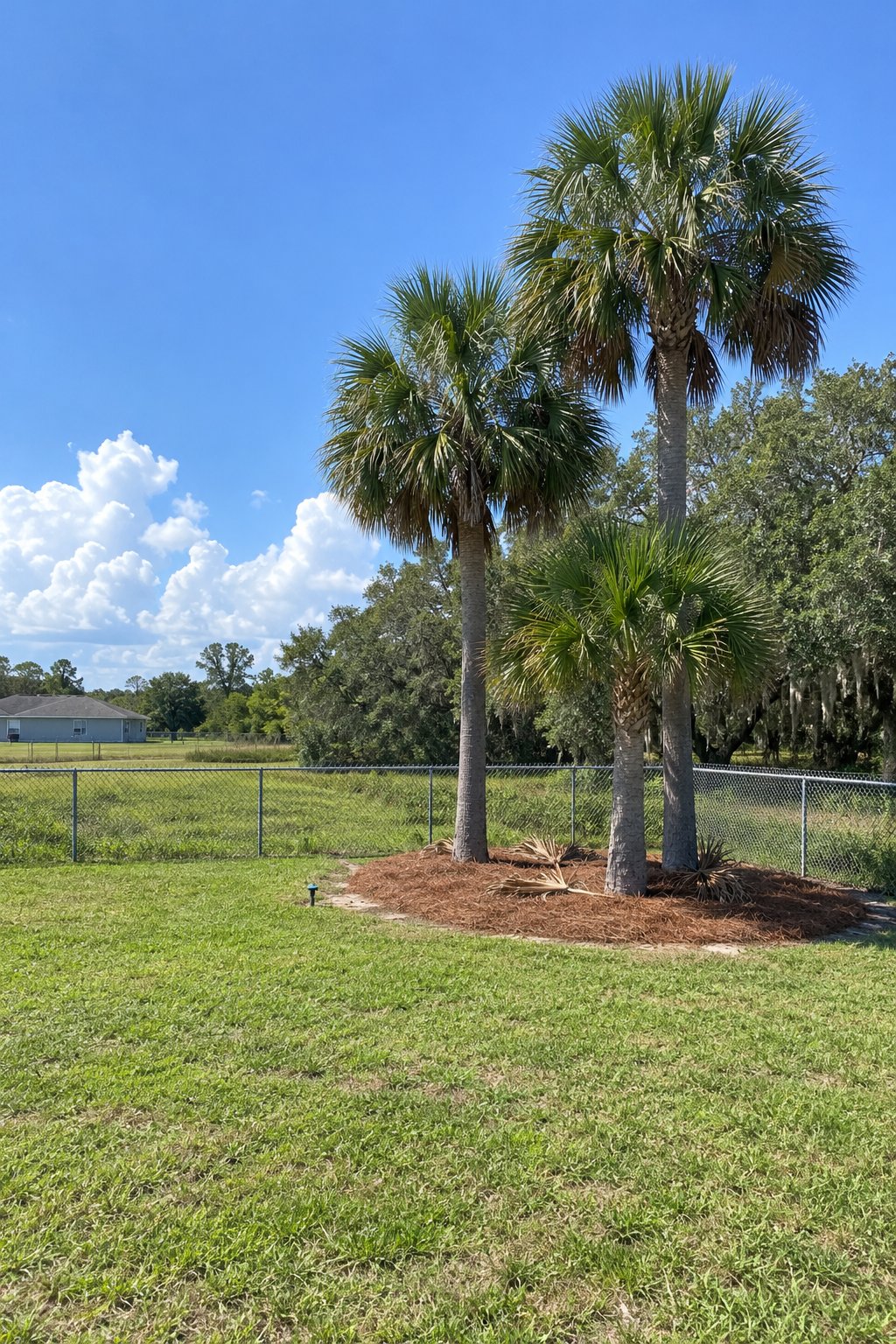
If I could plant one tree before hurricane season, it would be a sabal palm, the second most wind-resistant tree after Hurricane Camille in UF/IFAS records. Group three of staggered heights at a back corner, well clear of the roof.
Never let anyone give them a hurricane cut, because stripping green fronds weakens a palm.
7. One Live Oak Out in the Yard, a Good 30 Feet From the House

A live oak is the shade tree I’d plant for storms, since UF/IFAS puts it in its highest wind-resistance group. It just needs to be far enough away to grow.
UF/IFAS Miami-Dade advises at least 20 to 30 feet between a large tree and the house, and I’d take the 30.
8. A Planted Swale for Summer Downpours, With Sand Cordgrass and Blue Flag Iris
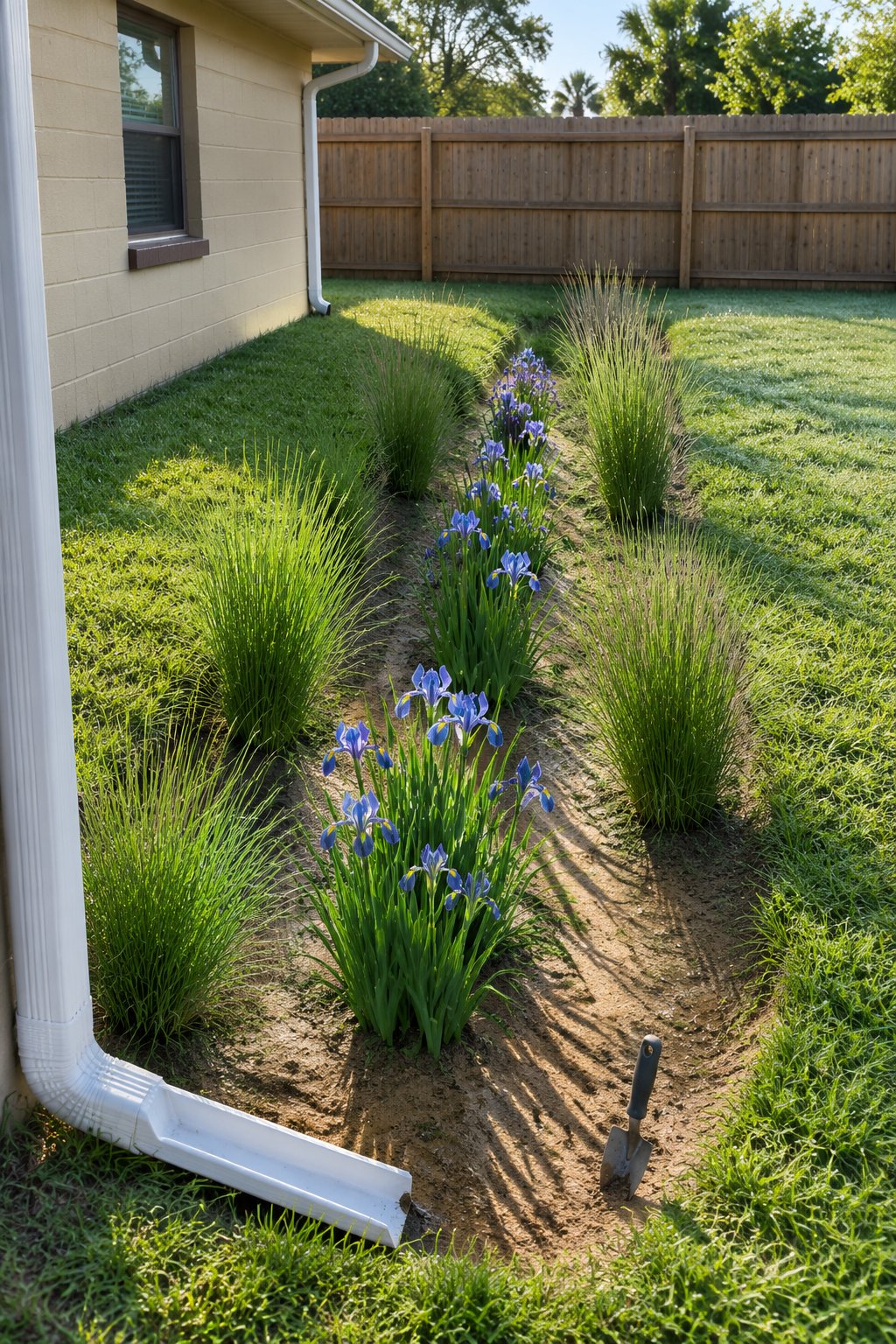
The low strip where water stands after an afternoon storm is the best place in the yard for a rain garden. Plant sand cordgrass along the sides and blue flag iris in the bottom, where it stays wet longest.
Both are used in UF/IFAS rain gardens, and the iris flowers violet-blue in spring.
9. North Florida Shade: Oakleaf Hydrangea and Coral Honeysuckle Under the Pines

North Florida gets real freezes and plenty of pine shade, and that suits plants South Florida struggles with. Oakleaf hydrangea wants at least some shade here and opens white flower heads in late spring.
Coral honeysuckle climbs the fence behind it, and in a cold North Florida winter it may drop its leaves.
10. Central Florida Sand: Blanket Flower, Tickseed and Lopsided Indiangrass
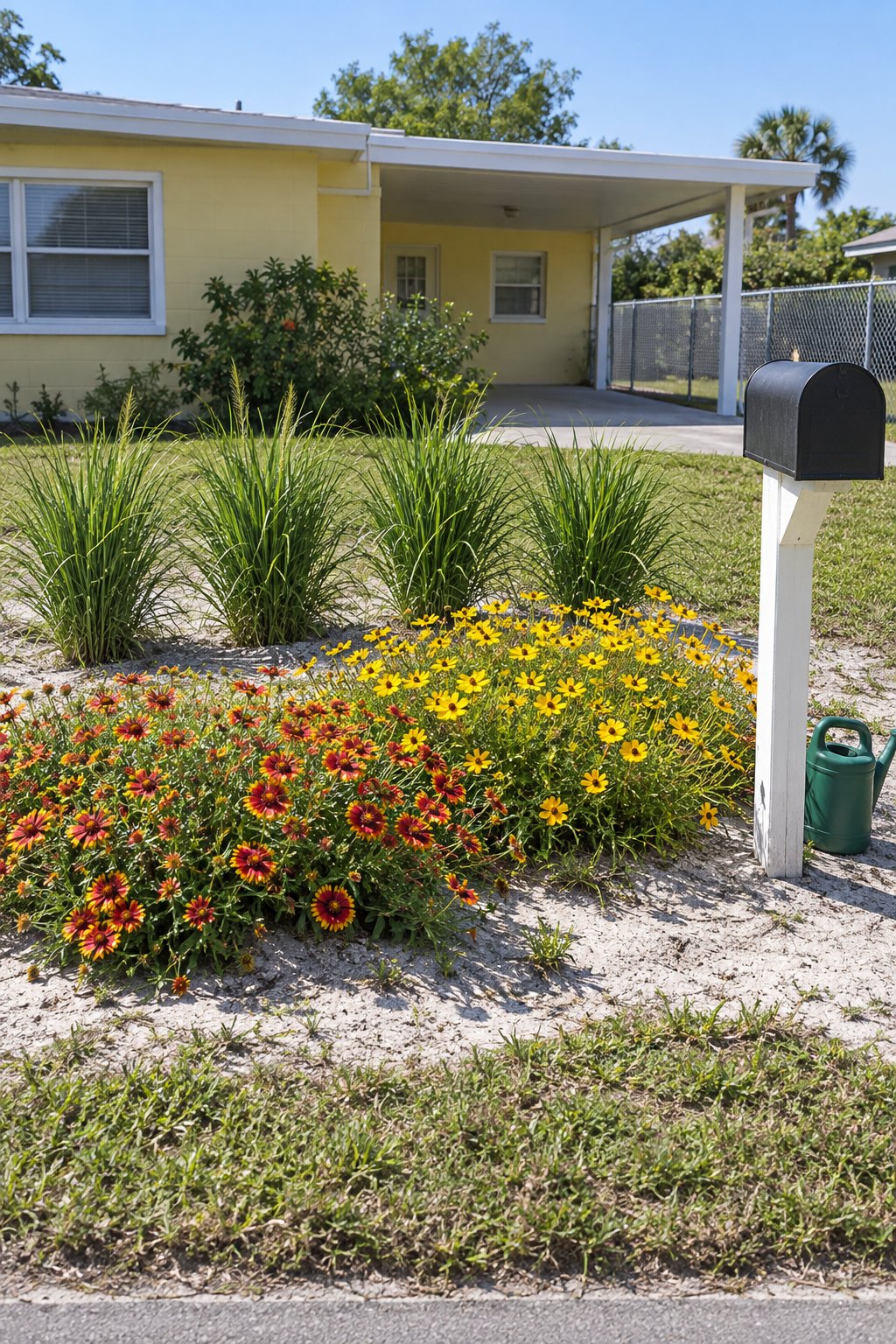
On the deep, dry sand of Central Florida, I’d stop fighting the soil and plant what likes it. Blanket flower and tickseed, from the genus that is Florida’s state wildflower, carry the spring color, with lopsided indiangrass behind.
Blanket flower takes salt and tickseed does not, so keep tickseed off the ocean side of a coastal yard.
11. South Florida: a Gumbo Limbo Over a Bed of Wild Coffee

Gumbo limbo is the shade tree I’d want in South Florida, for its peeling coppery bark and because UF/IFAS gives it the highest wind-resistance rating. It is rated for zones 10B to 11.
Wild coffee goes underneath, because it wants partial to full shade and its leaves can yellow in full sun.
12. A Firebush Row Along the Sunny Back Fence, With Two Chairs Facing It
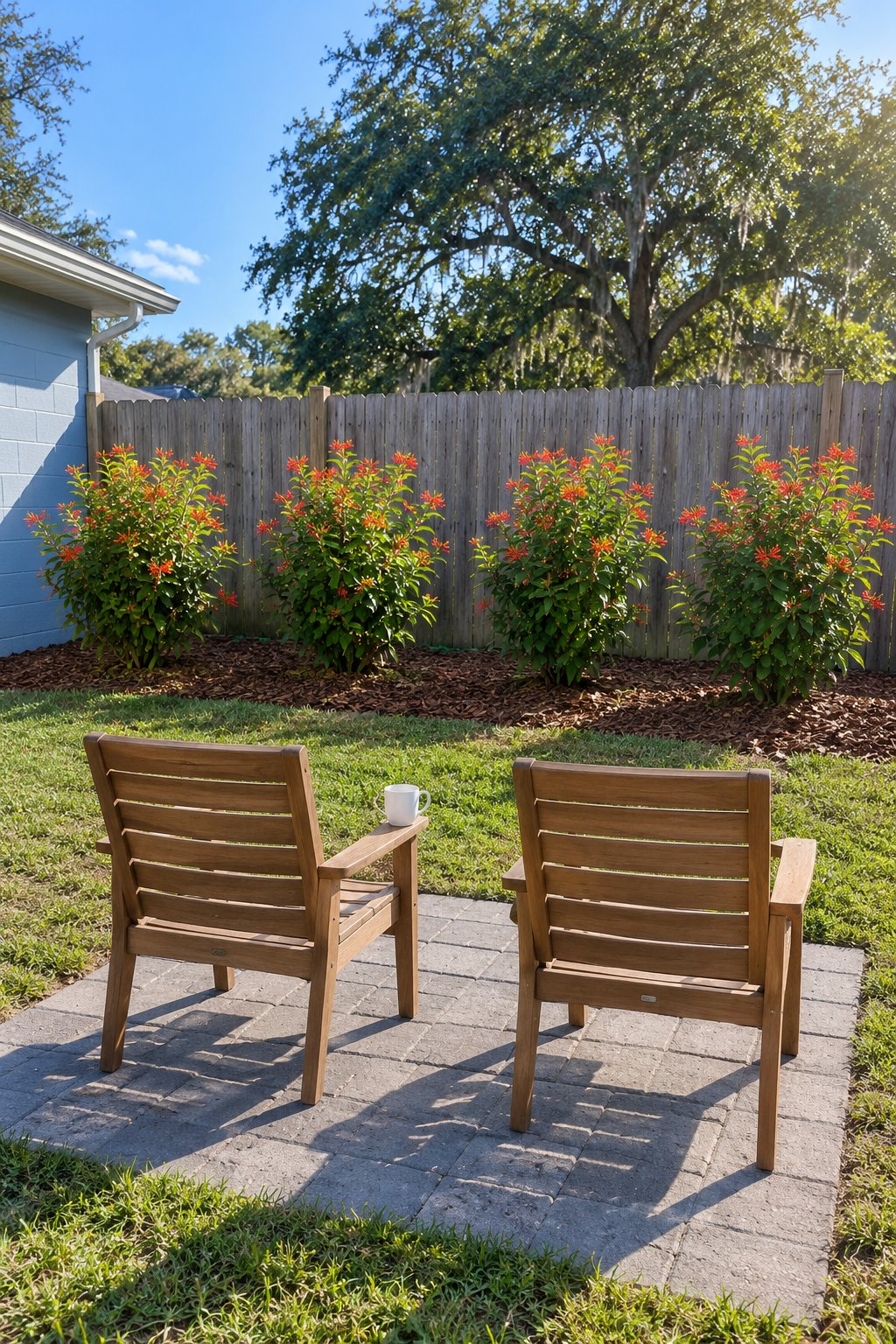
Firebush is the shrub to sit beside, because its red-orange tubular flowers draw butterflies and hummingbirds. UF/IFAS lists it at 5 to 20 feet tall, so set the row about 4 feet out from the fence.
Buy the native species, because dwarf firebush is a different, non-native plant.
13. A Mulched Service Strip Outside the Screened Lanai, Hedged in Simpson’s Stopper
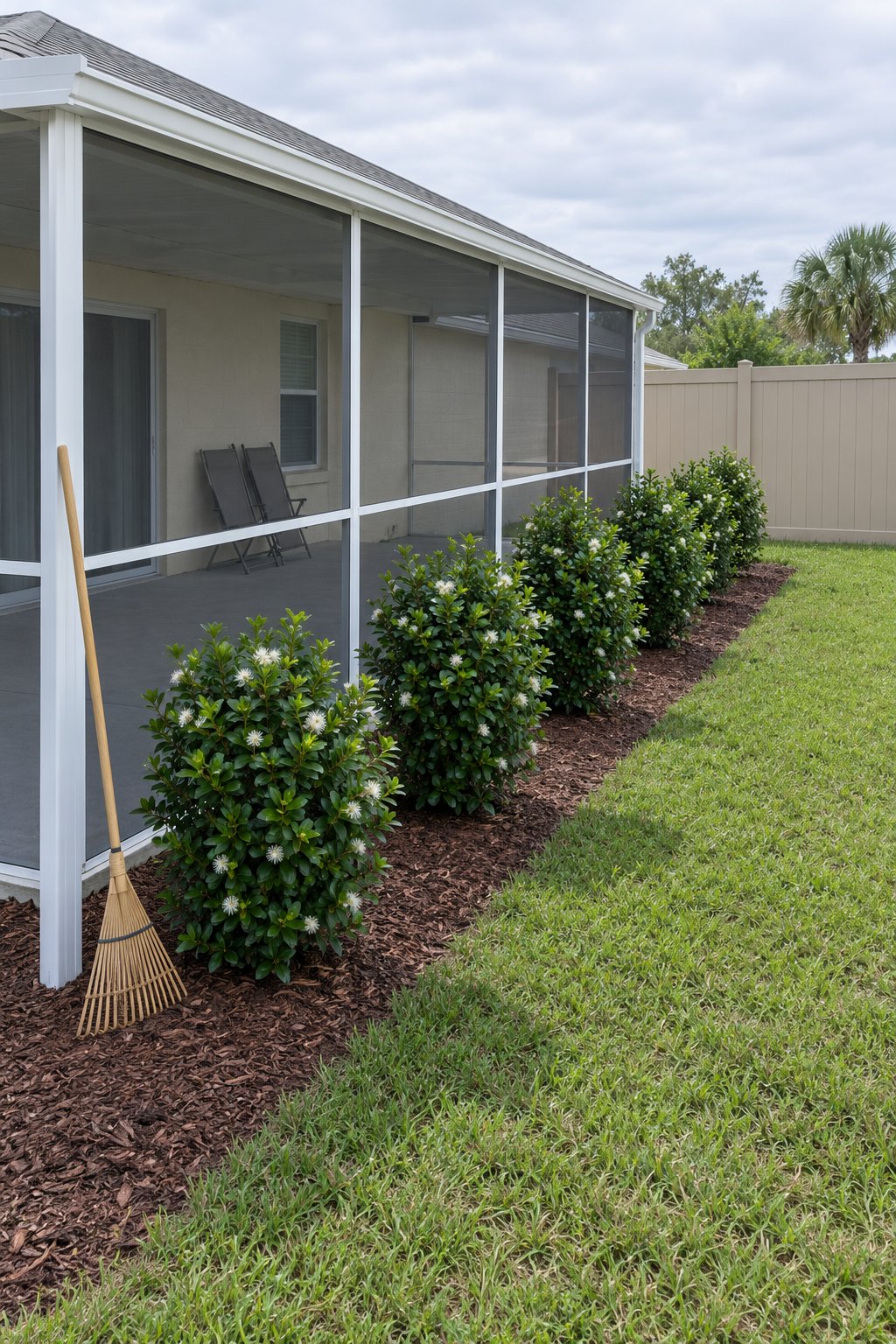
Plant the outside of a pool screen for whoever has to fix it. Leave a 3 foot mulch strip along the frame, then set Simpson’s stopper beyond it, 3 to 5 feet apart, for a dense hedge in sun.
Inside, these screened-in porch decorating ideas carry over to a lanai.
14. Pull the Brazilian Pepper Along the Back Fence and Replant With Beautyberry and Walter’s Viburnum
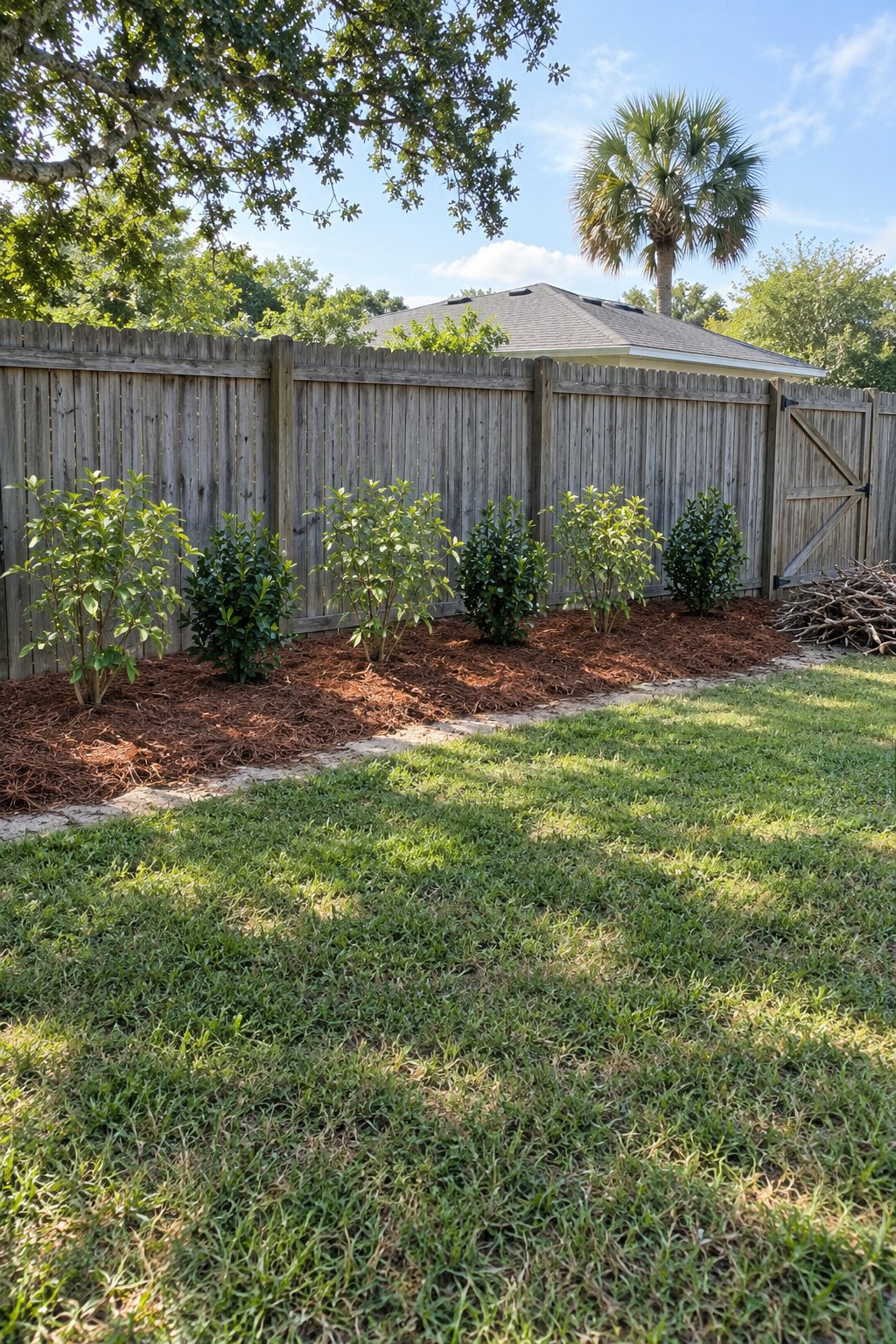
Brazilian pepper is a Category I invasive in every region of Florida, and the back fence is where it hides. Cut it out, then ask your county extension office how to stop the stumps from resprouting.
Replant with American beautyberry and Walter’s viburnum, natives that take sun to part shade.
15. Swap Mexican Petunia and Wedelia for Sunshine Mimosa
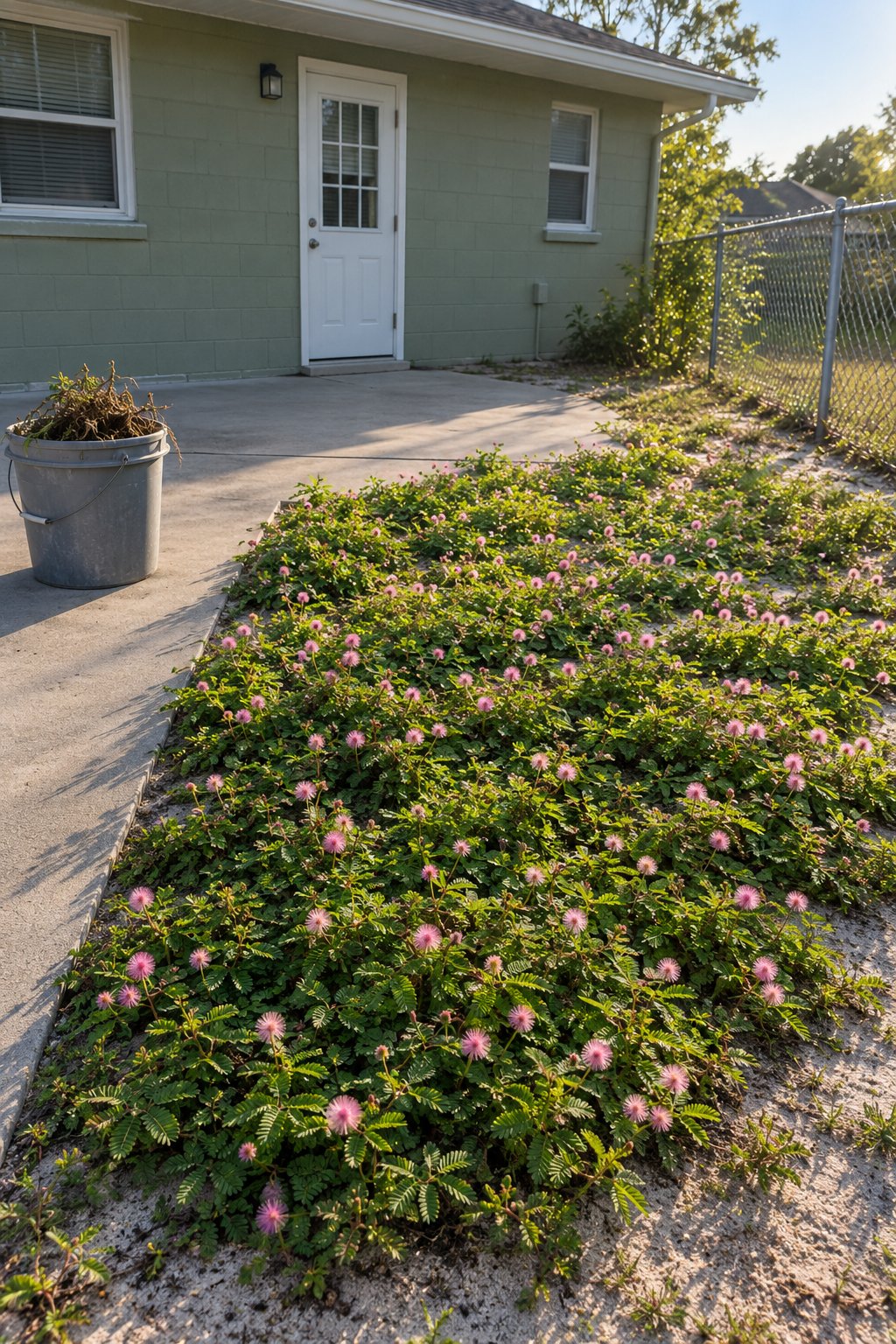
The purple Mexican petunia and yellow wedelia that came with the house are both on the state’s invasive list, and both escape the bed. Replace them with sunshine mimosa, a native groundcover with pink puffball flowers.
It stays a few inches to about a foot high and spreads quickly, which is exactly the job.
Florida Landscaping Numbers on One Page
Every plan above rests on a few figures.
Check them with your county extension office before you plant anything big.
| What | The figure | Why |
|---|---|---|
| Large tree from the house | At least 20 to 30 feet | Fewer limbs on the roof in a storm (UF/IFAS Miami-Dade) |
| Mulch on beds | 2 to 3 inches, pulled back from trunks | Holds moisture in sand without rotting the bark |
| Organic mulch next to the house wall | Keep the first 2 to 3 feet clear | UF/IFAS county guidance for the strip by the foundation |
| Perennial peanut plugs | 12 to 18 inches apart, up to two years to fill | Lay sod instead if you need full cover now |
| Simpson’s stopper hedge | 3 to 5 feet apart | Dense hedge in full sun |
| Firebush | 5 to 20 feet tall | Plant it well off fences and walls |
| Sea grape left as a tree | 35 to 50 feet tall | Hedge it every year or give it real room |
Six Florida Landscaping Mistakes to Skip
Buying an invasive because it is on sale
Do thisBrazilian pepper, Mexican petunia, lantana (now listed as Lantana strigocamara) and Chinese tallow are Category I on the Florida Invasive Species Council list, and wedelia is Category II. Check the list before you buy.
A big shade tree beside the roof
Do thisSet large trees at least 20 to 30 feet from the house, and choose a wind-resistant one such as live oak or southern magnolia.
Giving palms a hurricane cut
Do thisStripping green fronds weakens a palm. Remove only dead or broken fronds before the season starts.
Treating firebush as a hedge in Tallahassee
Do thisIn North Florida it dies back after a freeze and regrows in spring, so plan the bed as a perennial.
Tickseed on the ocean-facing front line
Do thisTickseed has little salt tolerance. Use blanket flower, beach sunflower or saw palmetto where the salt spray lands.
Tearing out the lawn without approval
Do thisFlorida law voids HOA rules that ban Florida-friendly landscaping, but your HOA can still require plan approval first, so get it in writing.
Florida Is Three Climates: Read the Freeze Line Before the Plant Tag
The same plant can thrive in Naples and die back every winter in Tallahassee, because North, Central and South Florida garden in different climates.
Before a tag photo sells you on a plant, check which part of the state it is rated for.
Gumbo limbo and wild coffee are rated for zones 10B to 11, and sea grape grows naturally only on the warm coasts and is sensitive to frost. Firebush survives North Florida by regrowing from its roots in spring.
It runs the other way too: oakleaf hydrangea suits the shady north, and coral honeysuckle stays evergreen in Central and South Florida but may drop its leaves in a cold North Florida winter.
I would ask the county extension office about local frost timing before I trusted any tag.
Start with the one problem your yard already shows you: too much lawn, salt burn, a soggy corner or a tree too close to the roof. Fix that one with a plan from the list, and borrow the layout rules from these front yard landscaping ideas as you go.
One native bed that suits your region beats a whole yard of plants that do not.
Frequently Asked Questions
What is Florida-Friendly Landscaping?
It is the UF/IFAS program built on nine principles: right plant, right place; water efficiently; fertilize appropriately; mulch; attract wildlife; manage yard pests responsibly; recycle yard waste; reduce stormwater runoff; and protect the waterfront. For fertilizer, check your county’s rules, since many counties set their own.
Which trees stand up best to hurricanes in Florida?
UF/IFAS rates live oak, southern magnolia and gumbo limbo among the most wind-resistant, and the sabal palm did very well after Hurricane Camille. Plant any large tree at least 20 to 30 feet from the house.
What plants handle salt spray near the beach?
Saw palmetto, beach sunflower and blanket flower are all rated high for salt, and sea grape is a native dune plant on the Central and South Florida coasts. Coontie takes moderate salt, so give it a spot behind the front line.
Can my HOA stop me from replacing the lawn?
Florida law voids HOA rules that prohibit Florida-friendly landscaping. Your HOA can still require you to get a plan approved first, so submit one before you dig.
Which invasive plants should I remove from a Florida yard?
Brazilian pepper, Mexican petunia, lantana and Chinese tallow are Category I invasives on the Florida Invasive Species Council list, and wedelia is Category II. Ask your county extension office how to remove them for good.
You Might Also Like


Save This For Later

Loved florida landscaping ideas? Save this pin to your Pinterest board now so you can find it again anytime you need the inspiration.