Backyard Ideas on a Budget: 24 Changes That Cost Little
Backyard ideas on a budget start with the free fixes, then climb in price only where a change earns it.
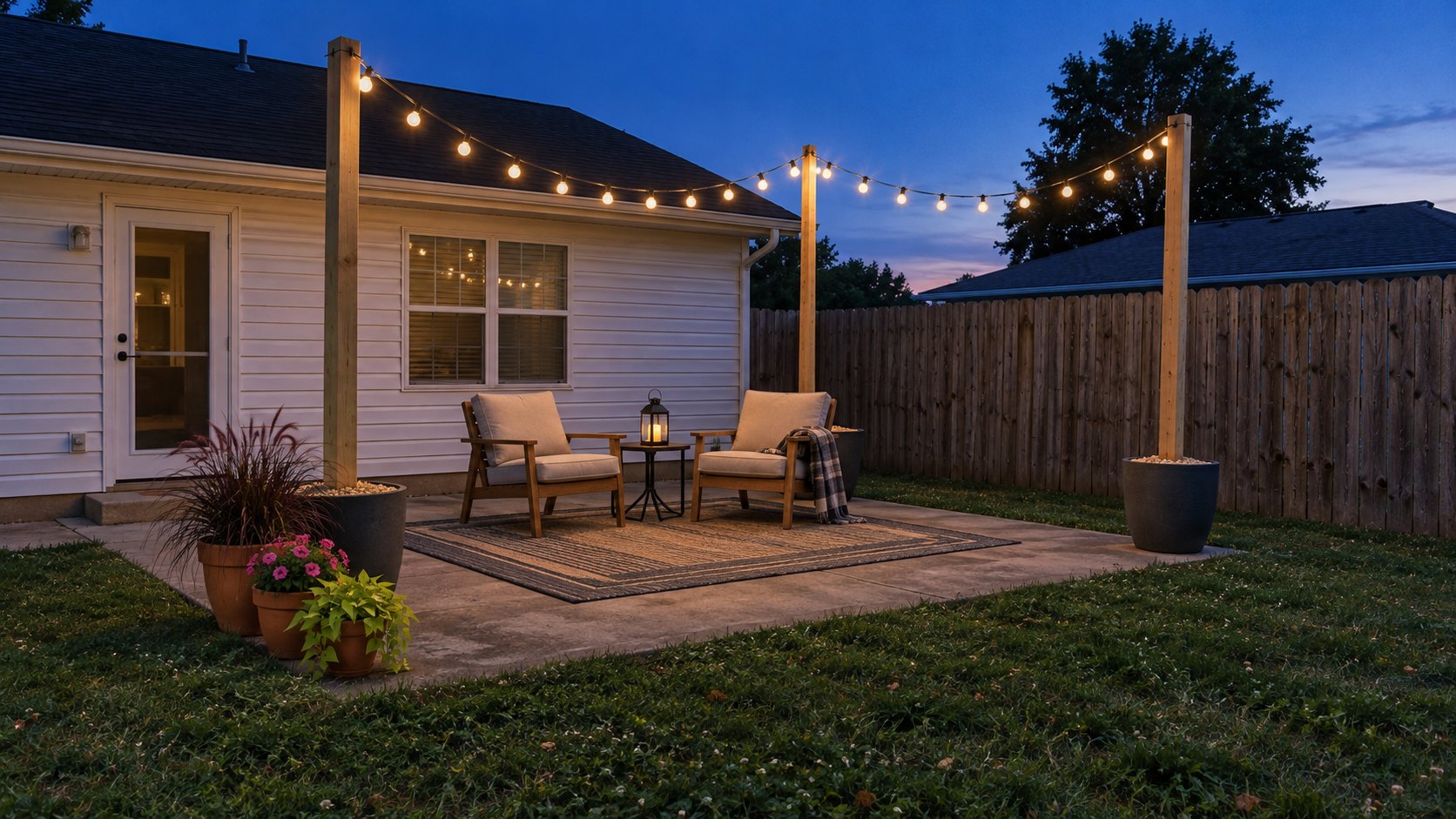
These 24 follow the order I would spend in: ground, shade, seat, light, privacy, plants, mulch.
Most cost little, and some cost nothing but a weekend.
Where is your yard stuck?
1. Mow at Three Inches and Leave the Clippings Where They Fall
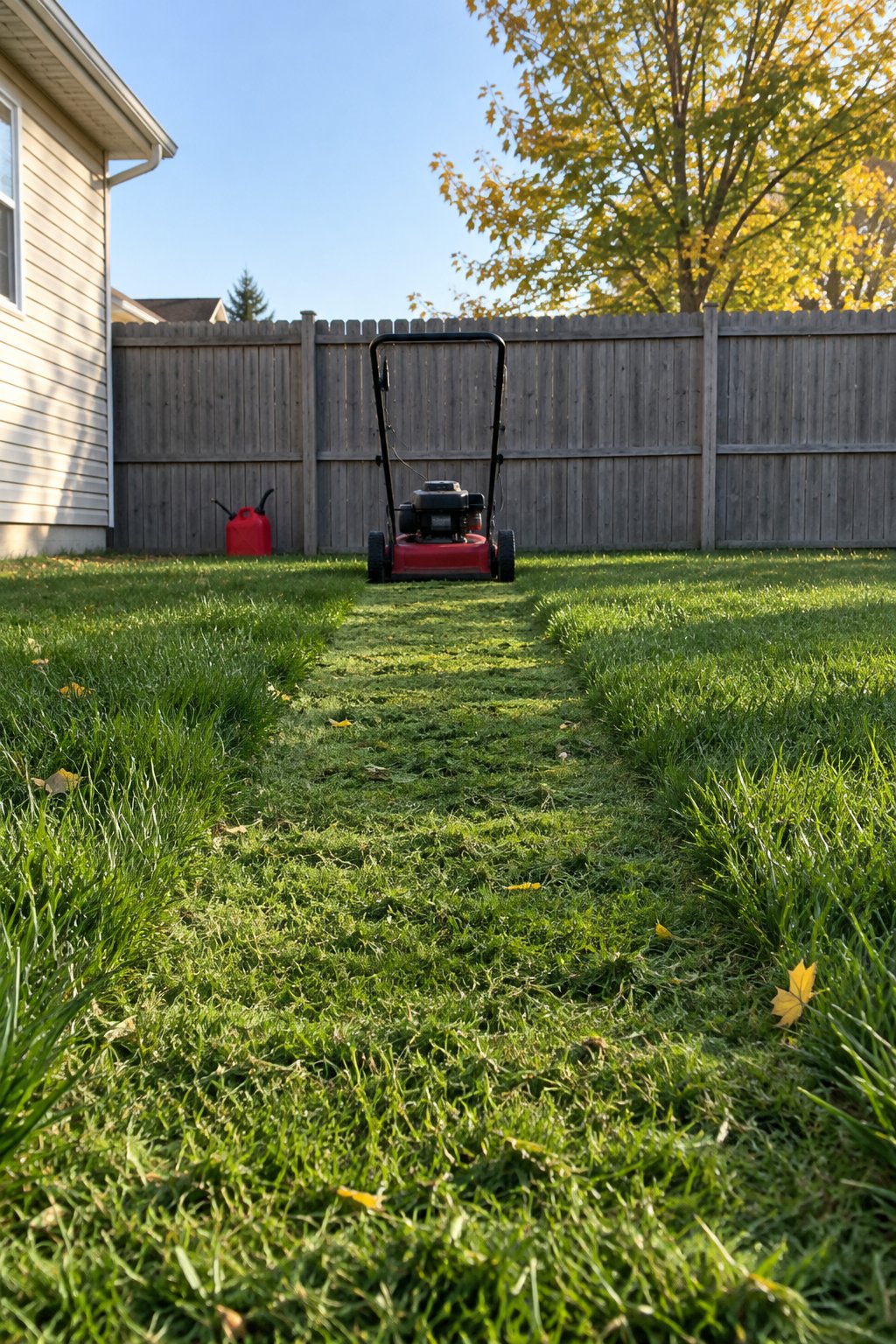
A lawn cut short looks thin because it is stressed. Set the mower to about 3 inches for most cool-season grass, and never take off more than a third of the blade.
Leave the clippings where they fall, because they feed the lawn and do not cause thatch.
2. Rent an Aerator and Overseed Thin Grass in Early Fall
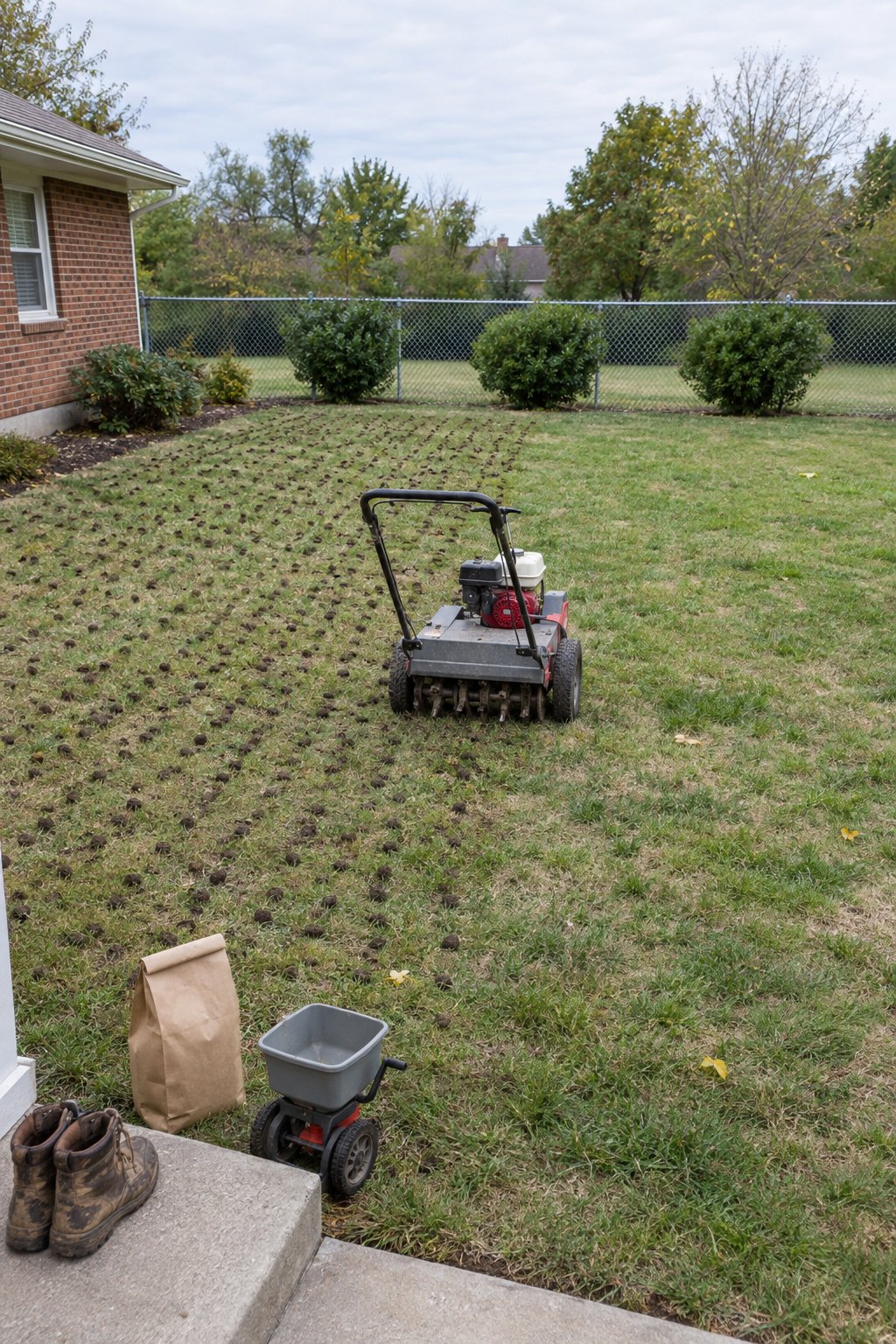
Thin grass fills in best when seed reaches aerated soil. Run a rented core aerator over the lawn, seed the same day and keep the ground damp.
Most extension services put cool-season seeding between mid-August and late September, so by mid October the window has mostly closed in the north.
3. Send One Soil Sample to the Extension Lab Before You Buy Anything for It
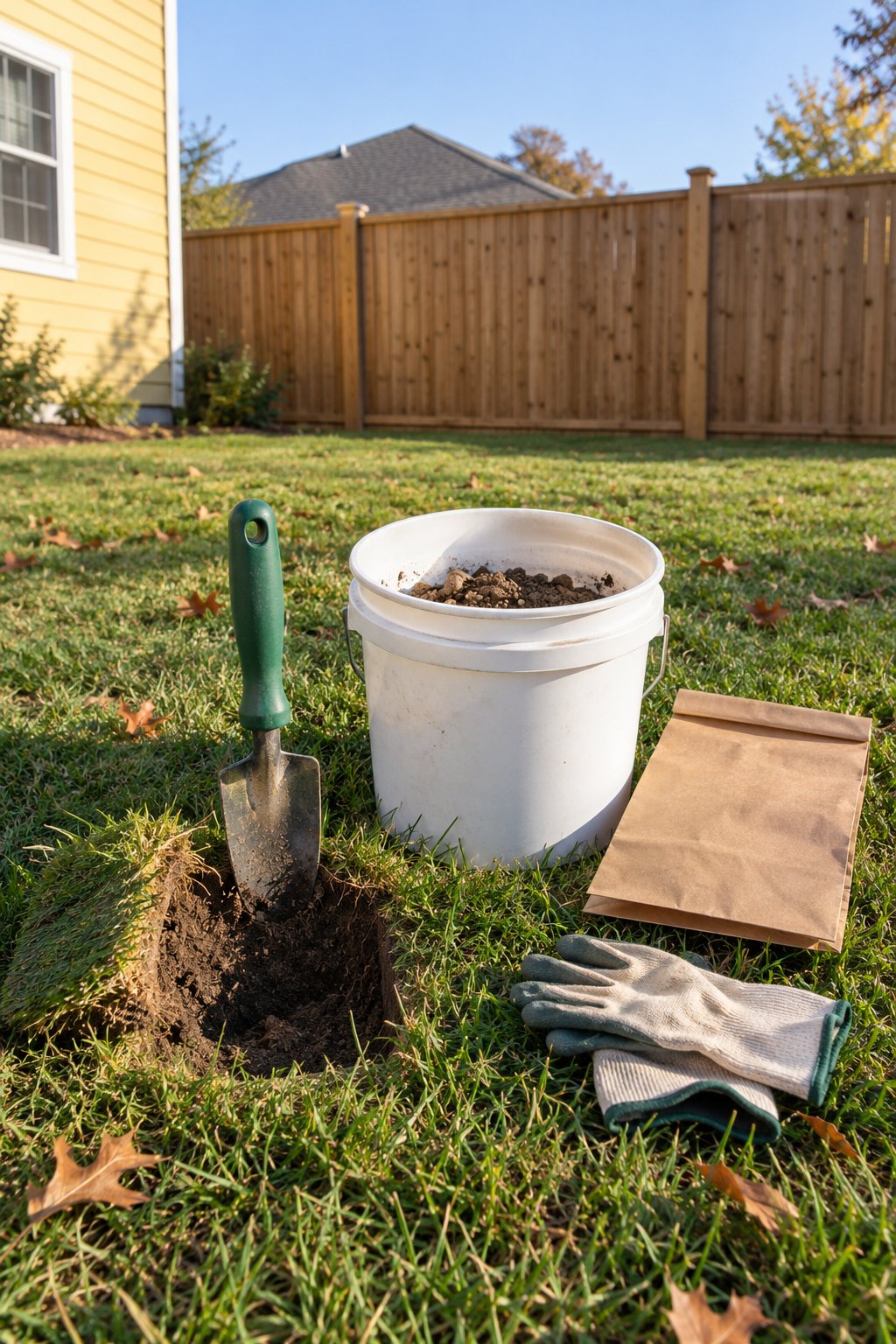
A soil test shows what the yard needs, so you stop paying for lime and fertilizer it may not want. Take a few slices 3 to 4 inches down across the lawn and mix them in a clean plastic bucket.
Your state’s extension lab sets the fee and the bag, so call the county office first.
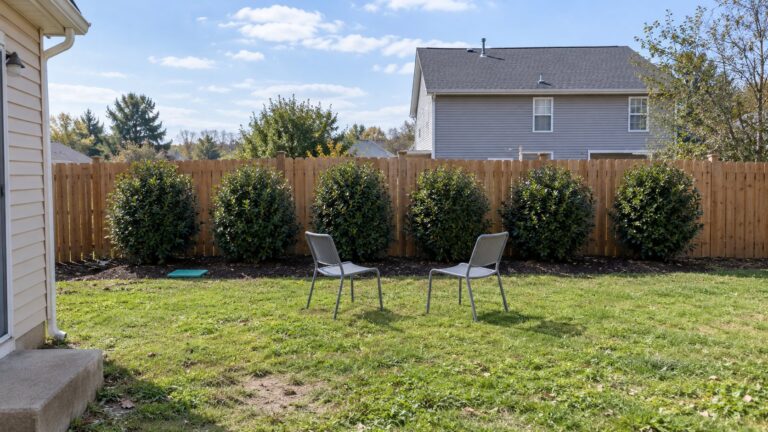
4. Find the Shade You Already Own, Then Move the Chairs Into It
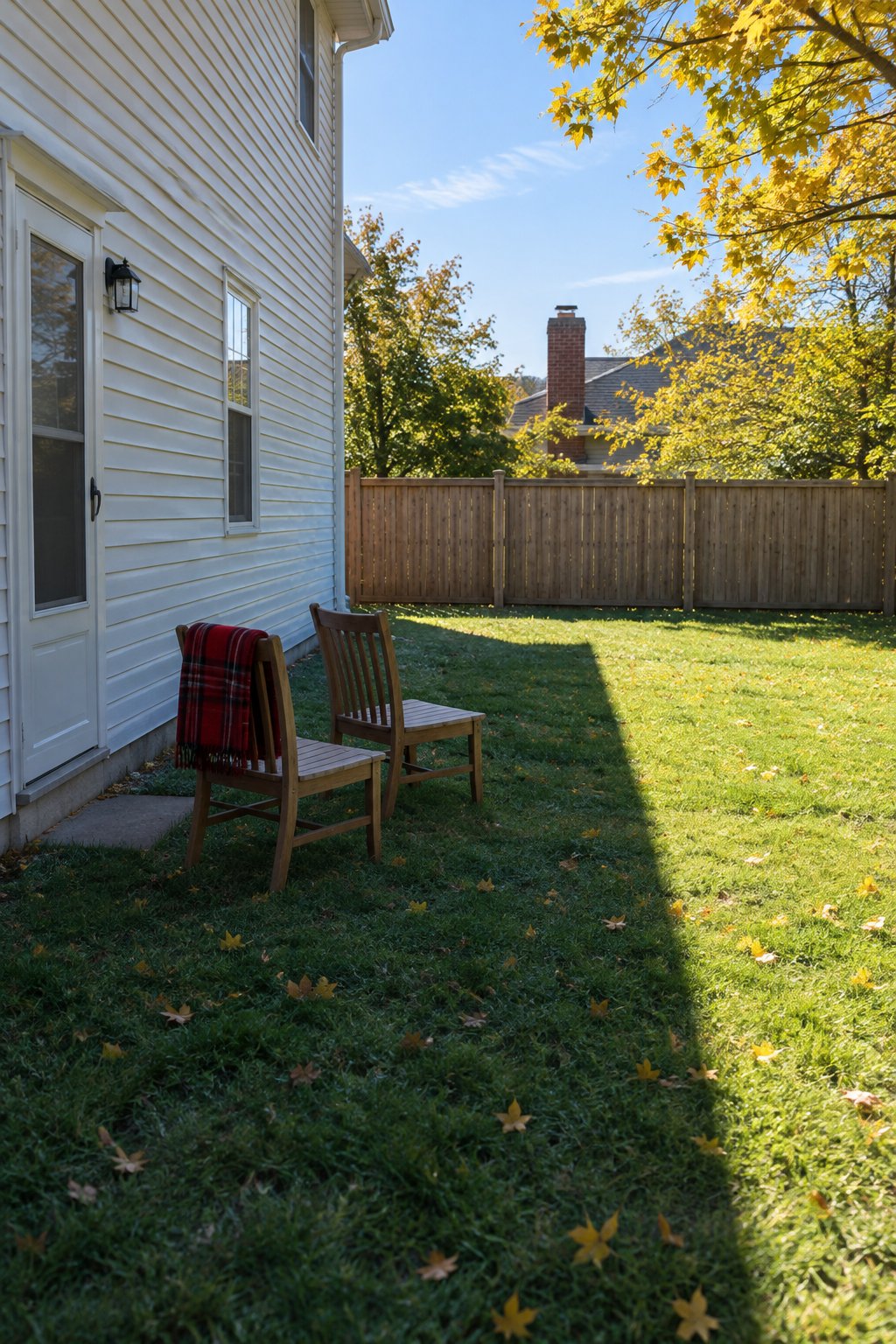
Before you buy a shade sail, see what shade the yard already makes. By mid-afternoon the east side of a house or tall fence is shaded.
The sun sits lower now than in July, so re-check in the season you sit out.
5. Weight Down a Pop-Up Canopy Over the Table for Summer

A pop-up canopy is the cheapest roof that folds away when you want it gone, so set it over the table for summer.
Weight every leg, and take it down when gusts are forecast, because a canopy can lift like a kite.
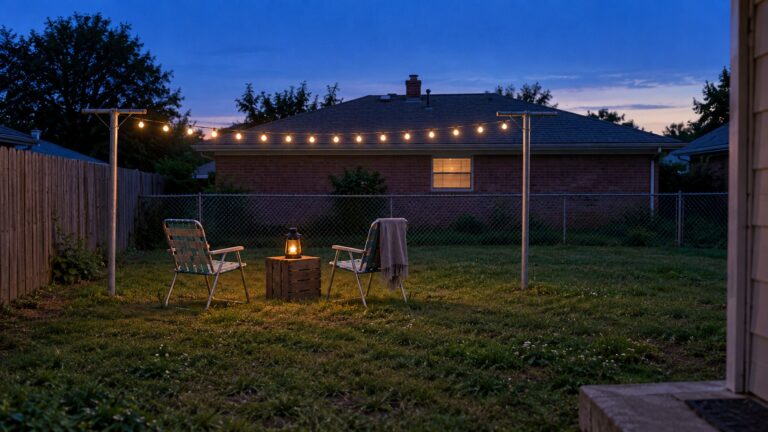
6. Keep Two Folding Chairs and a Crate by the Back Door
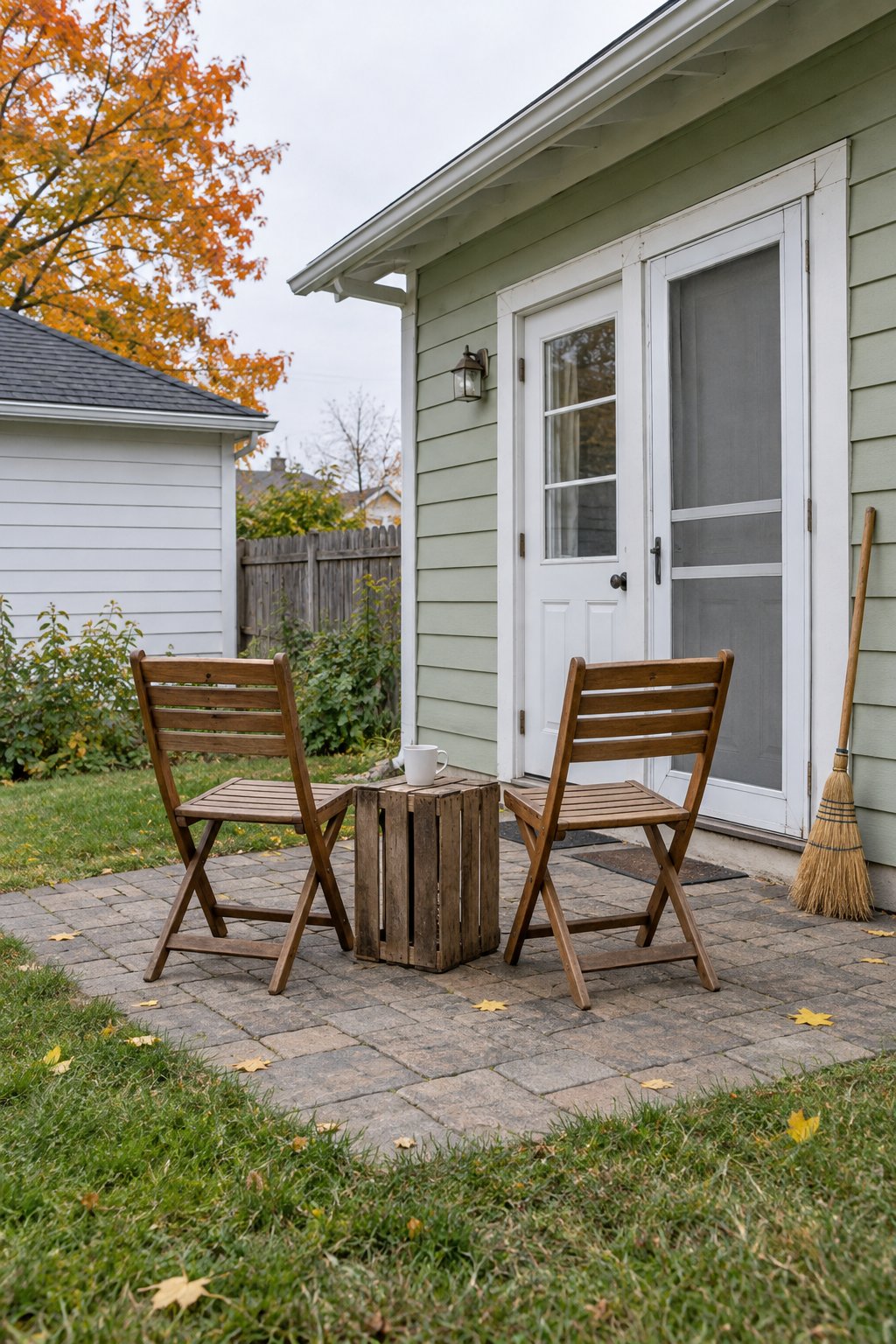
The seat you use is the one that takes no effort. Two folding chairs on hooks inside the door and an upturned crate for a table put you outside in half a minute.
Set them on the flattest, driest ground nearest the door.
7. Secondhand Table and Chairs With Good Bones, Cleaned and Sealed
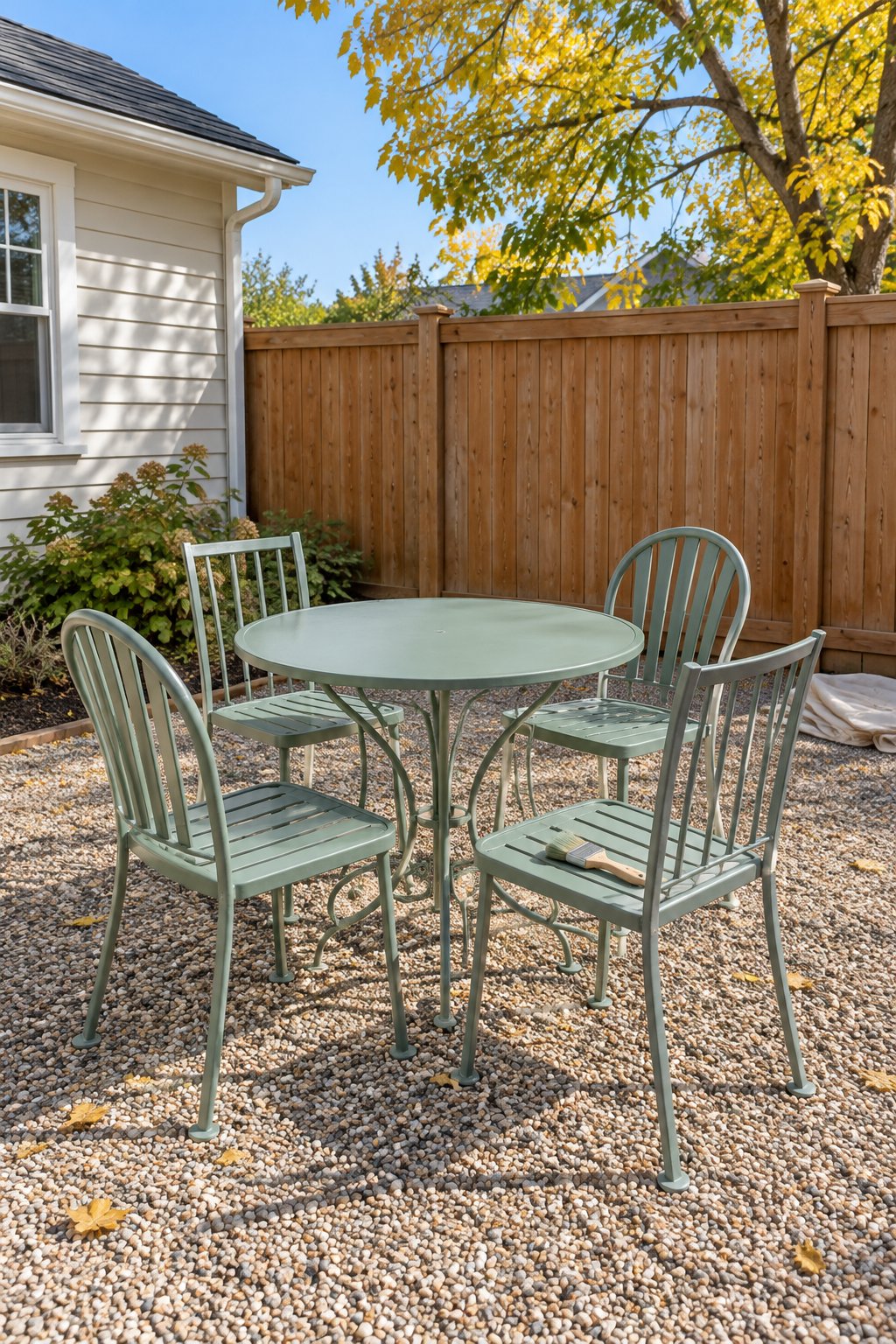
A used metal or hardwood set is often sturdier than a cheap new one. Wiggle every joint, look underneath for rot and press any rust spot with a thumbnail.
Skip anything wobbly, rotten at the joints or rusted through, because no paint fixes that.
8. Three Log Rounds From a Local Tree Crew as Stools and a Side Table
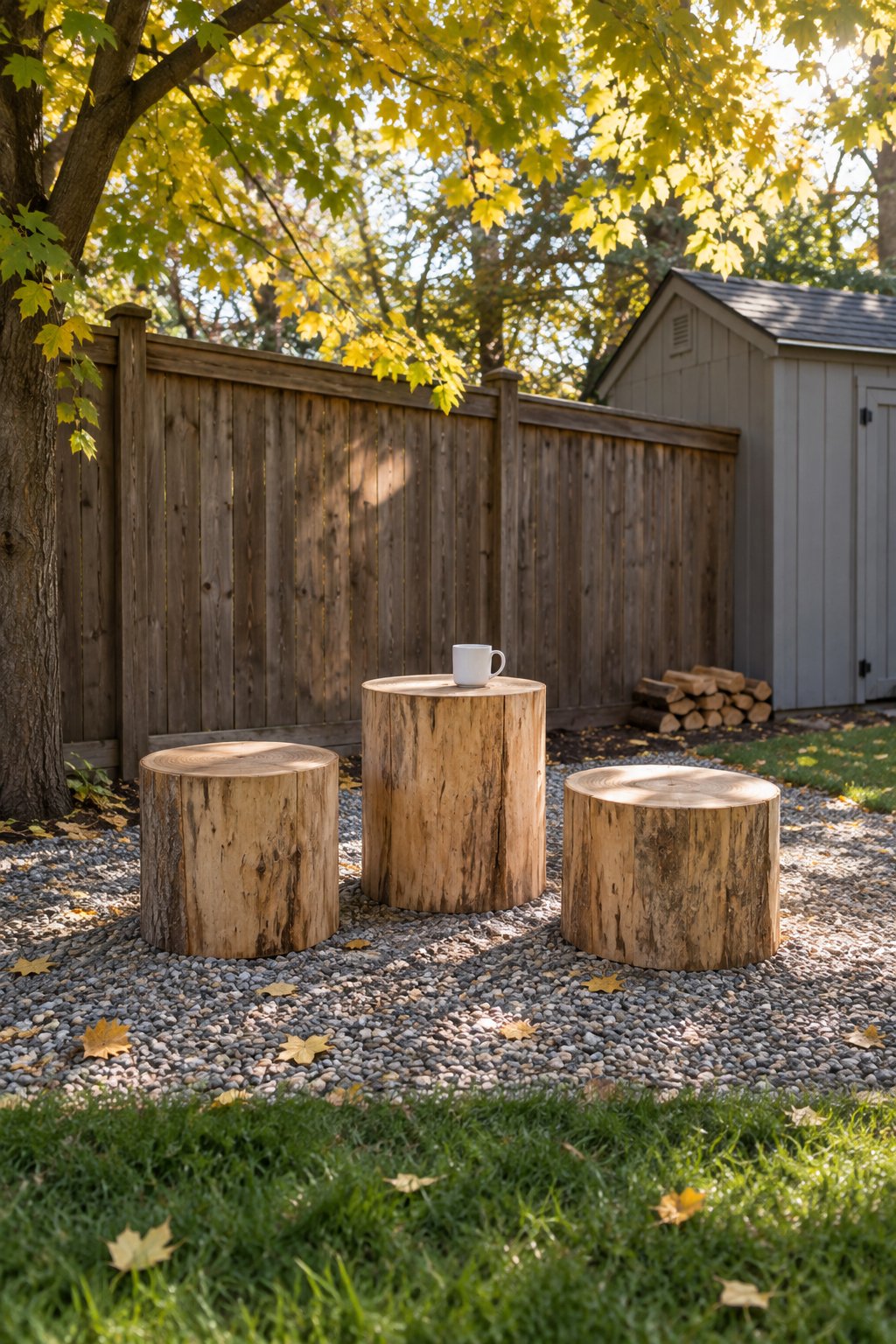
Ask a local tree crew for log rounds, and stand three on level ground, two as stools and one taller as a side table.
Take only wood cut locally, because moving firewood is how tree pests spread.
9. Swap the Back Door Bulb for a Warm One and Aim It Down
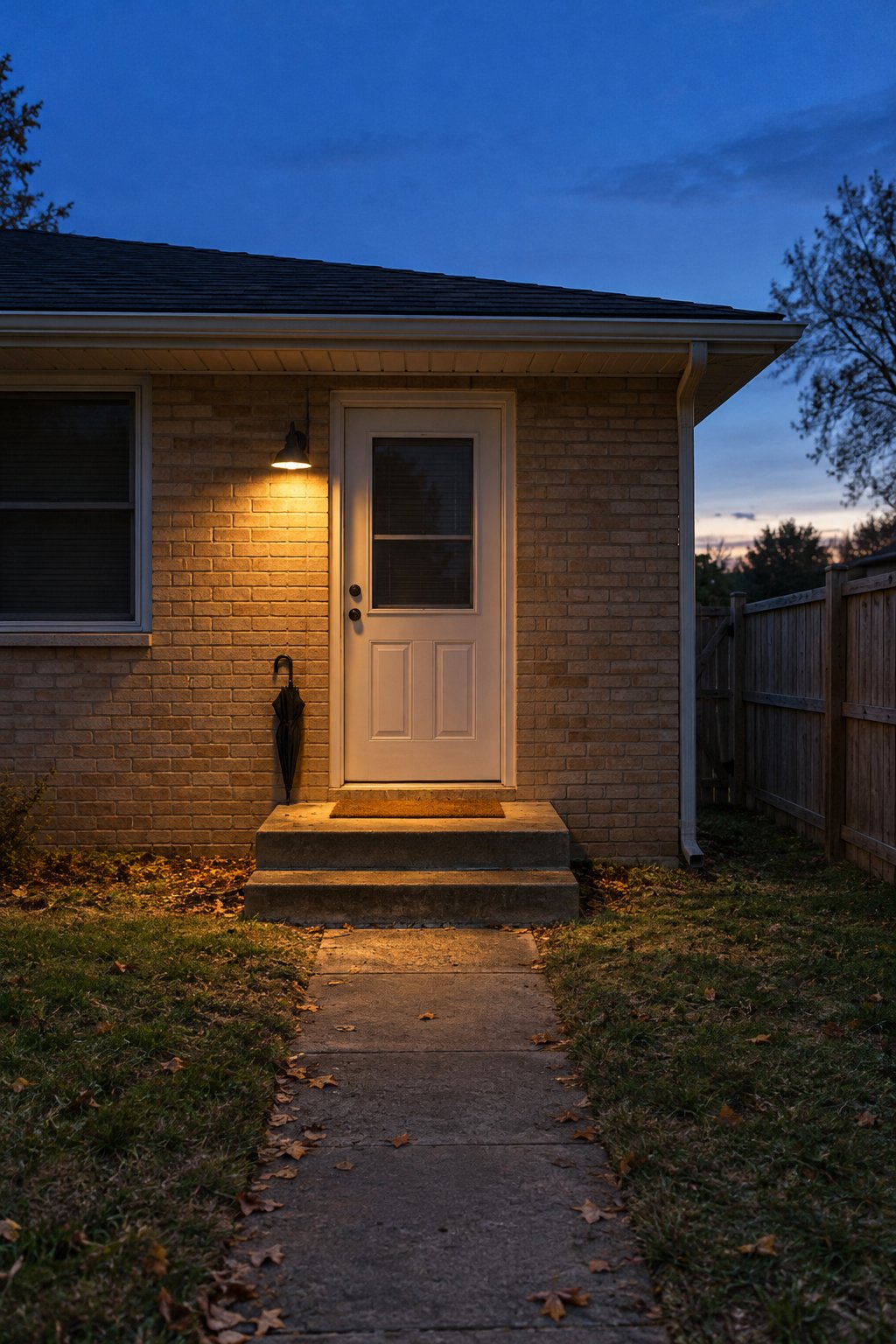
The cheapest lighting upgrade is one bulb. Swap the harsh white one by the back door for a bulb marked warm white, and turn the fixture to face down, with the power off and the old bulb cool.
Light the step and the path only as brightly as you need, and the yard feels calmer.
10. One Solar Spotlight Aimed Up Into the Best Tree

One lit tree makes a yard feel bigger after dark. Stake a single solar spotlight a few feet from the trunk and angle it up into the branches.
The panel needs direct sun, so choose one on a cable that can sit in the light while the lamp stays in shade.
11. Put Your Lights on an Outdoor Timer at a Weatherproof Outlet
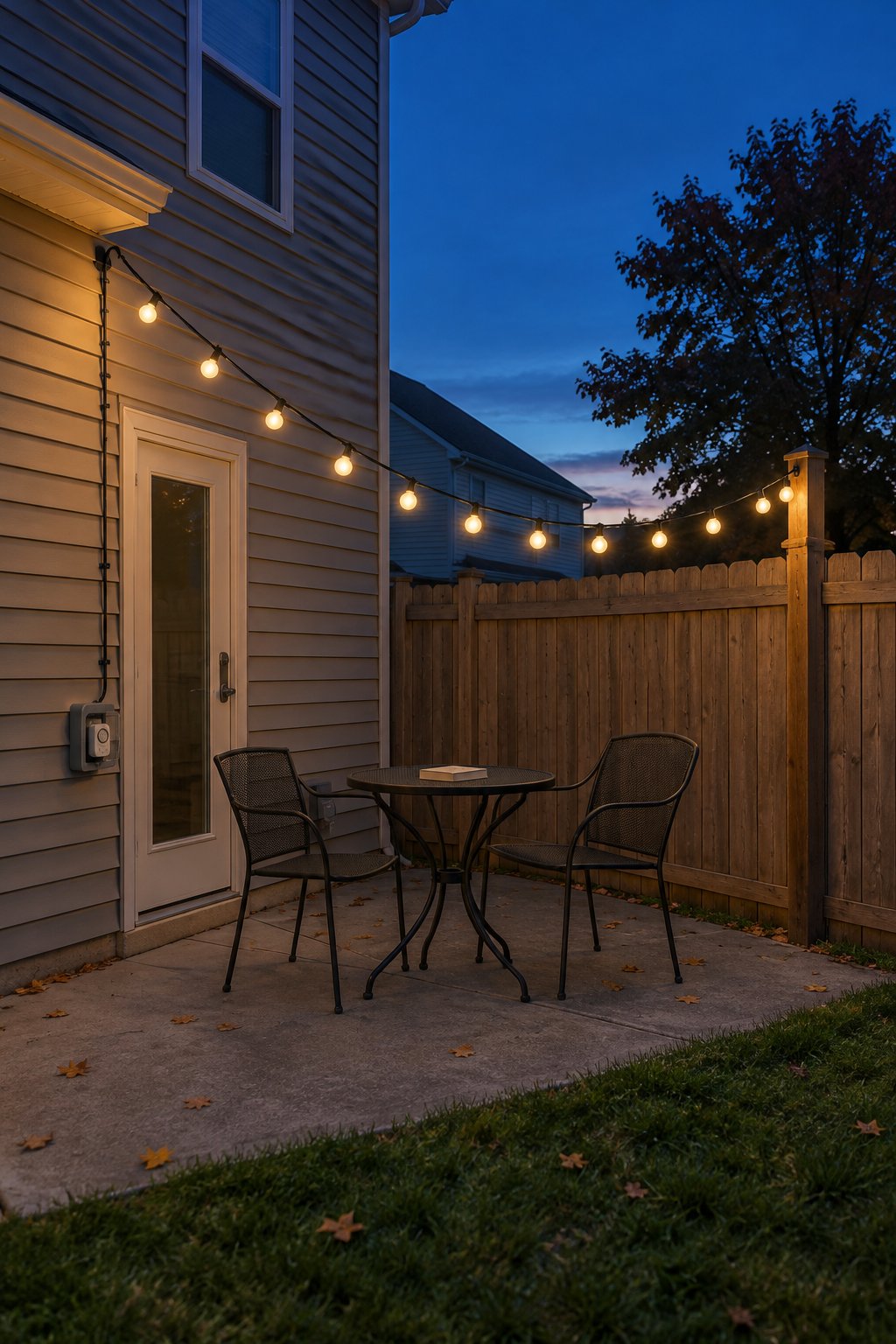
Lights you have to remember to switch on stay off. Outdoor-rated lights on an outdoor timer, plugged into a GFCI-protected outlet, come on at dusk by themselves.
Keep the plug under an in-use cover, and call an electrician if there is no outdoor outlet.
12. A Livestock-Panel Trellis With a Native Honeysuckle
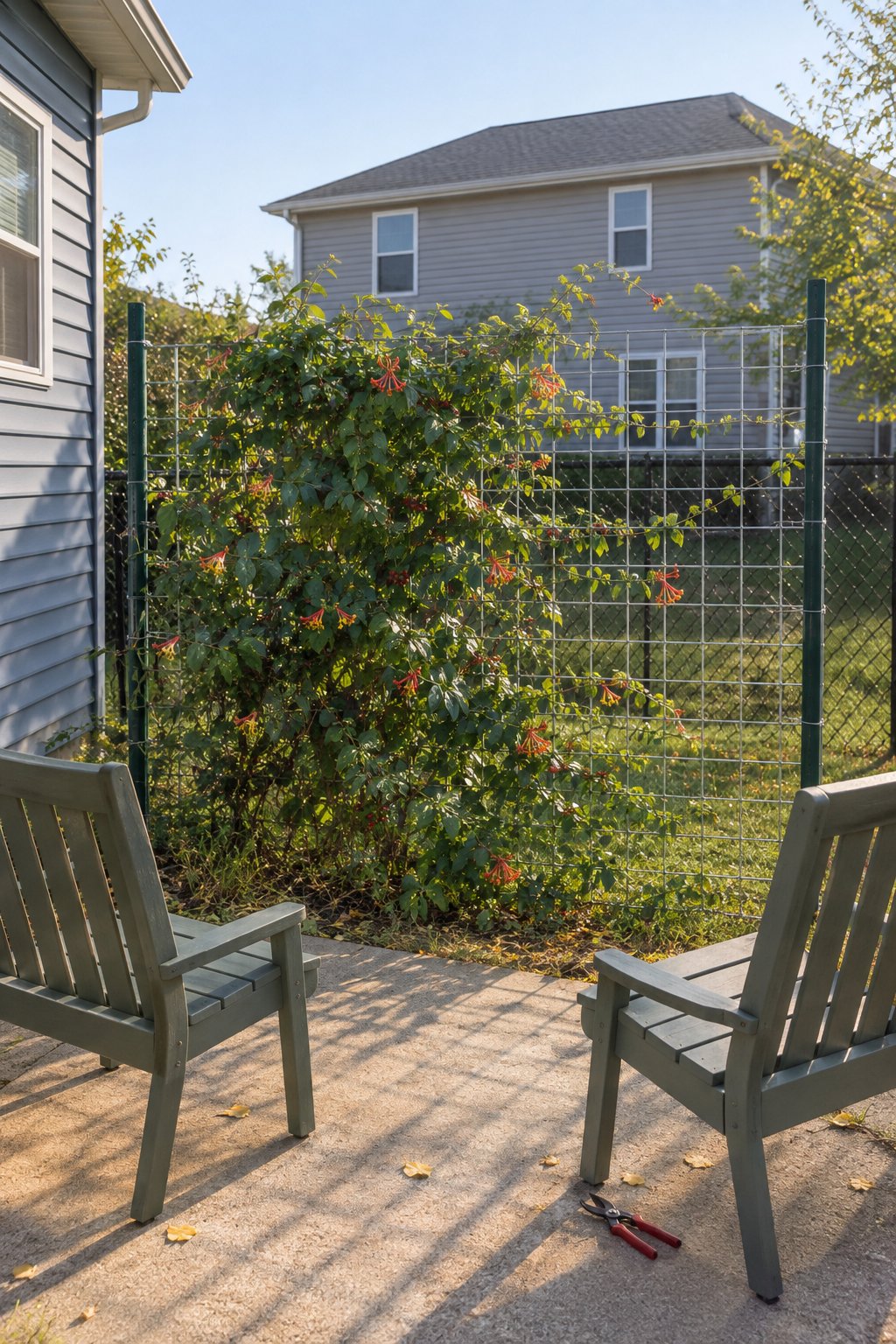
A livestock panel is a stiff, cheap trellis because it is built to hold up in a field. Stand it between two steel posts and plant a vine at its foot.
Trumpet honeysuckle (Lonicera sempervirens) is native to the eastern US, flowers best in full sun and draws hummingbirds.
13. Hold Up a Bedsheet to Find the One Spot That Needs a Screen

One screen near your chair hides more than a long one at the fence. Sit down, hang a bedsheet between two stakes and shift it until the neighbor’s window disappears.
Screen only that spot with one tall trellis or planter.
My patio privacy ideas cover bigger options.
14. Root Coleus Cuttings in Jars of Water Before the First Frost
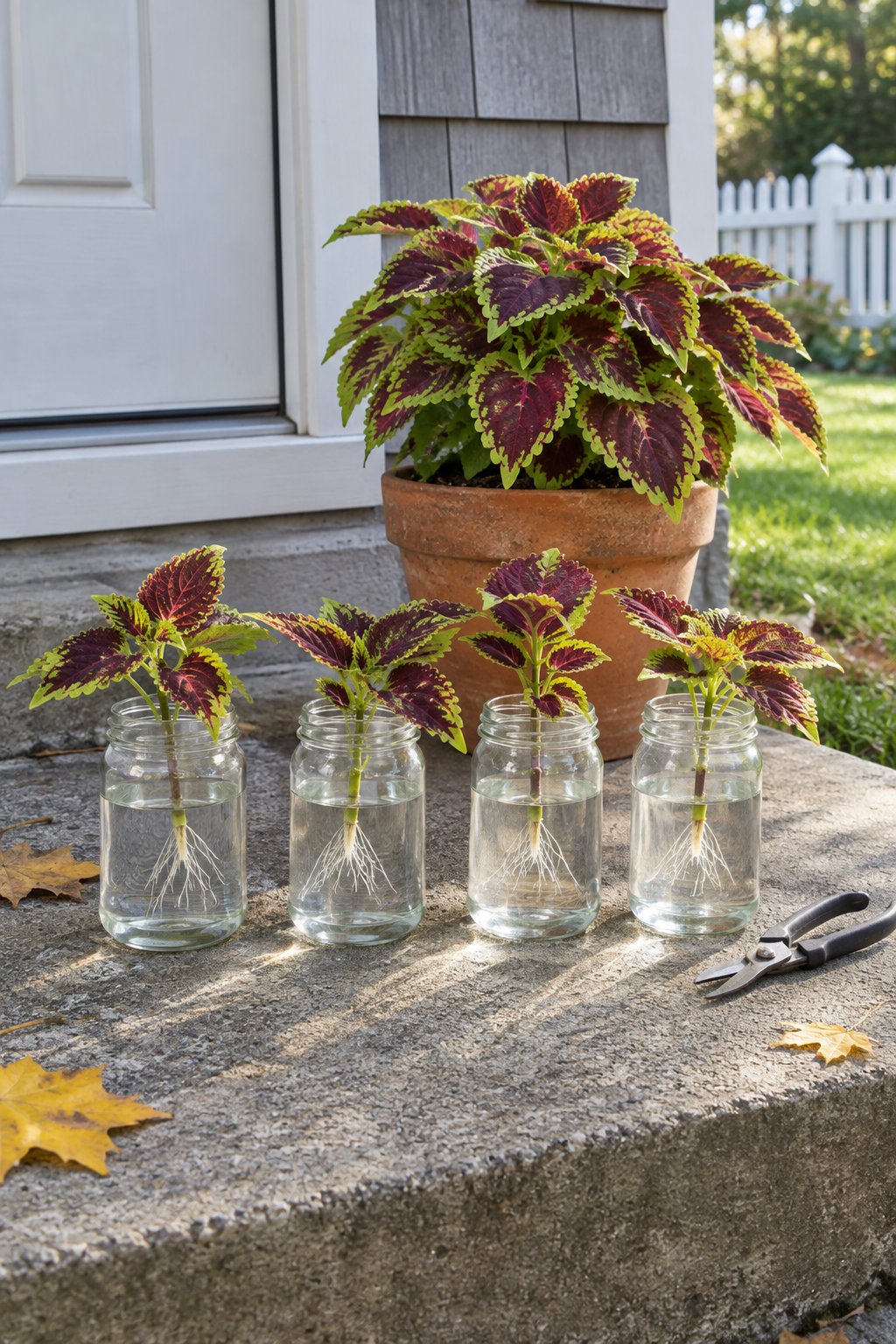
Coleus is killed by frost, but a few stems rooted in water give you free plants for next summer’s pots. Snip tips 4 to 6 inches long, strip the lower leaves and stand them in a jar of water.
Take the cuttings before the first frost, because the cold kills the plant.
15. Hardwood Cuttings of Red-Twig Dogwood or Forsythia, Stuck in a Pot Over Winter
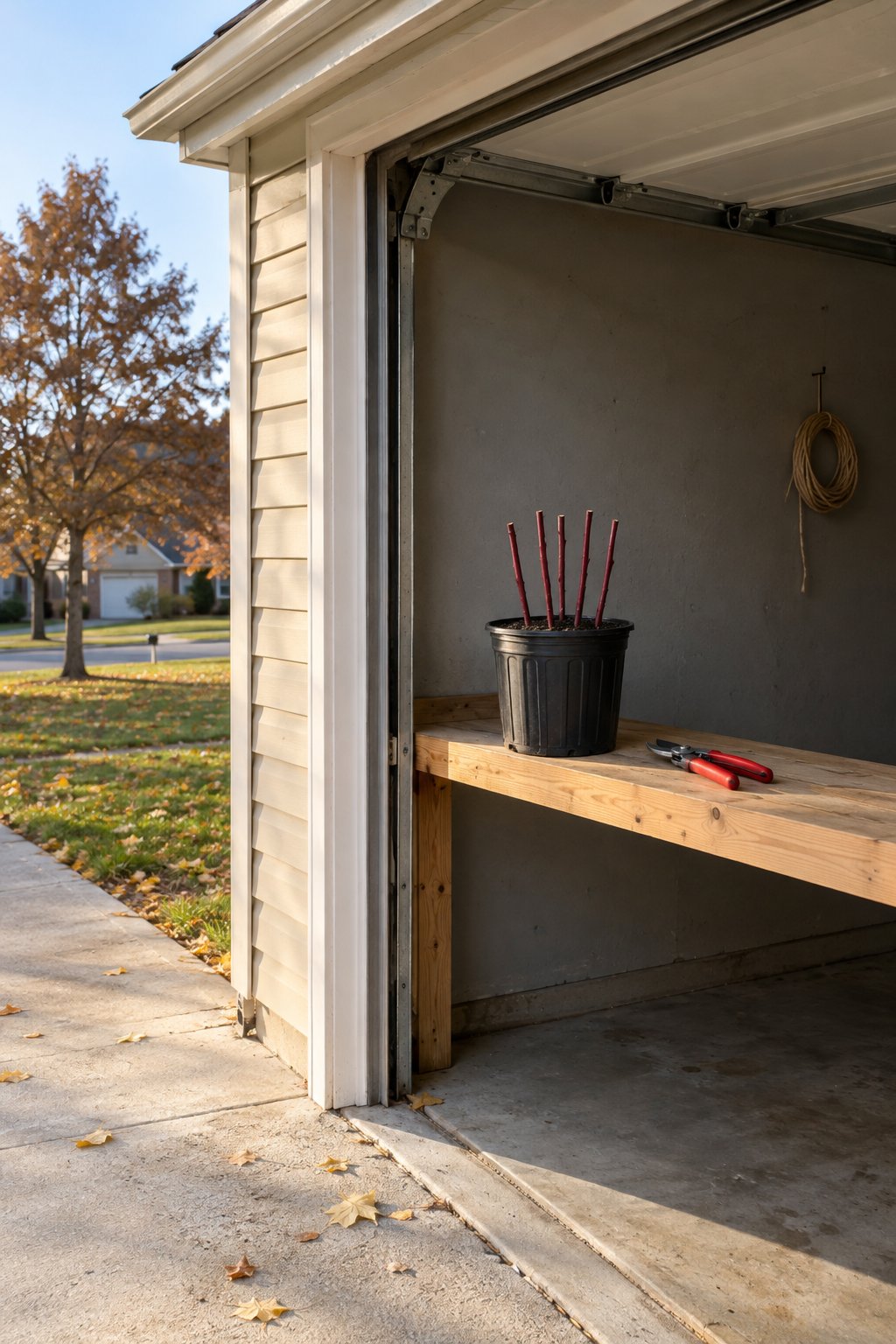
A hedge can start as sticks. In late fall, once the leaves drop, push pencil-thick 6-inch cuttings of red-twig dogwood or forsythia, cut end down, into damp mix until 2 inches show.
Keep the pot in an unheated garage or shed over winter, and set it in dappled sun after hard freezes.
16. Split a Crowded Hosta or Daylily With a Spade
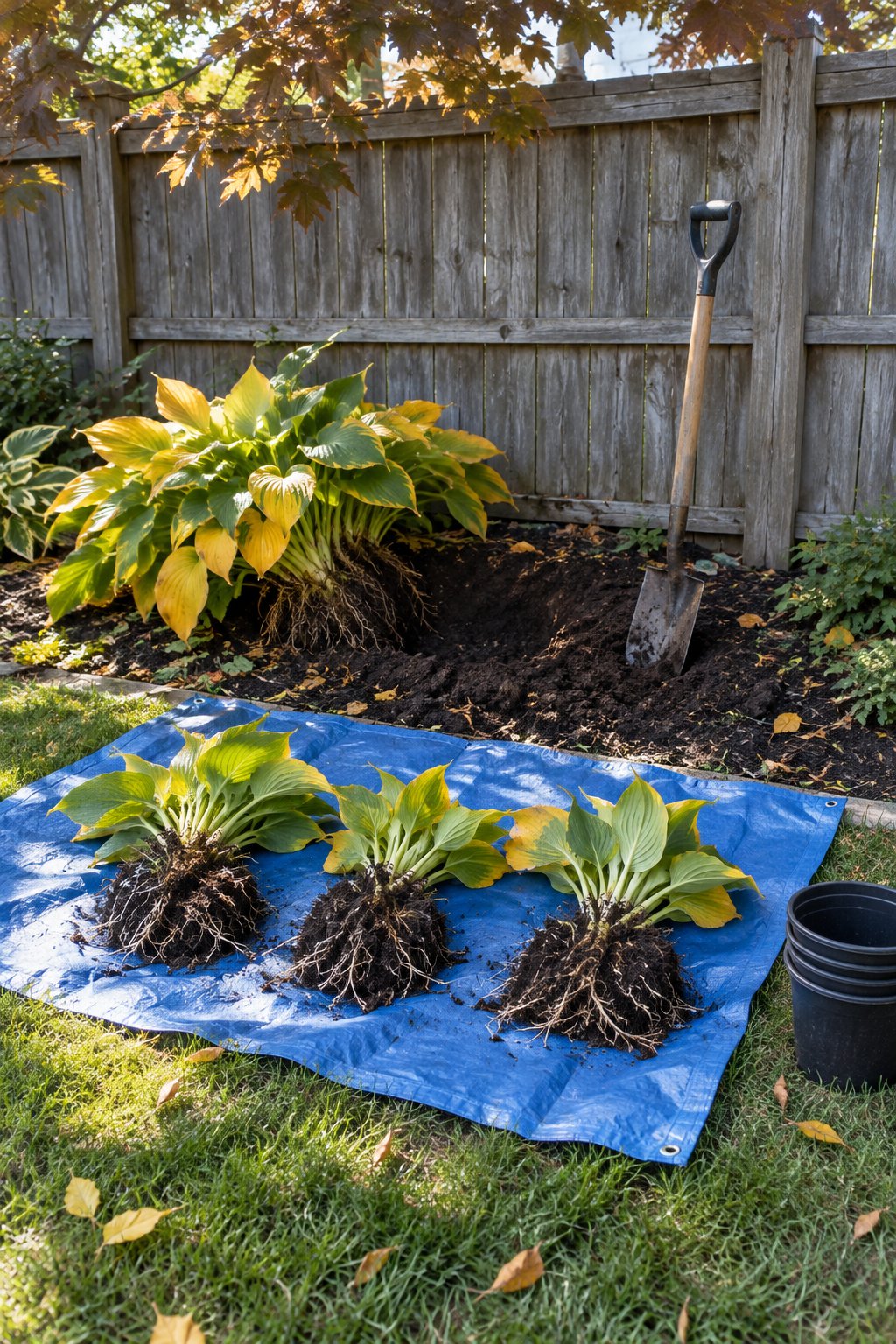
A clump that has outgrown its spot is already a handful of free plants. Dig it, cut it into pieces with a few shoots and plenty of roots, and replant at the same depth.
Spring is safest, and early fall works only if the pieces go in a month or more before the ground freezes.
17. Winter-Sow Seeds in Milk Jugs on the Back Step
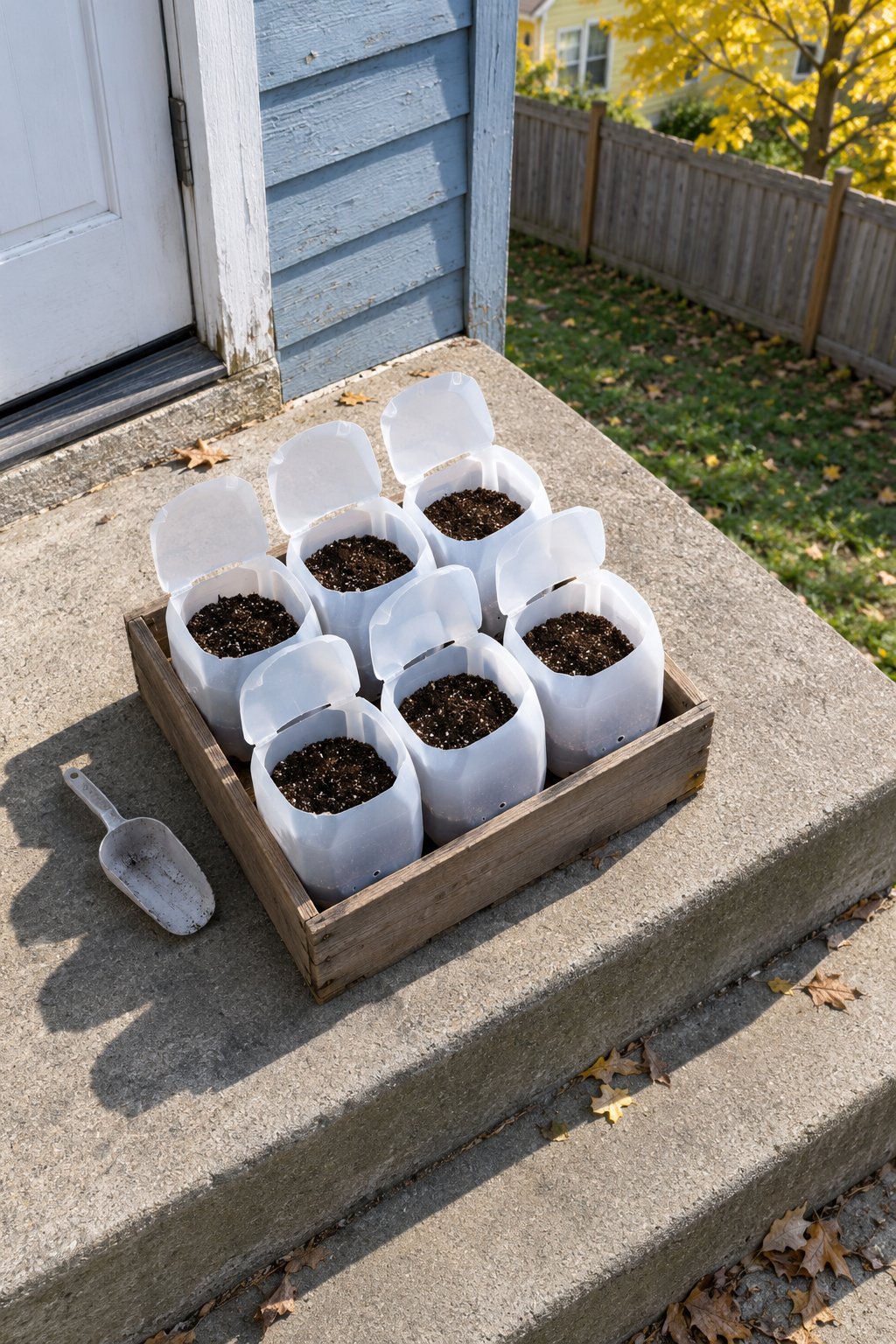
Winter sowing needs no grow lights. Cut a clear jug nearly in half, punch drainage holes, add 3 to 4 inches of damp seed-starting mix, sow, tape it shut and leave it outside in the open.
Sow from midwinter to early spring, so start saving jugs now.
18. Save Zinnia and Marigold Seed Before the Frost
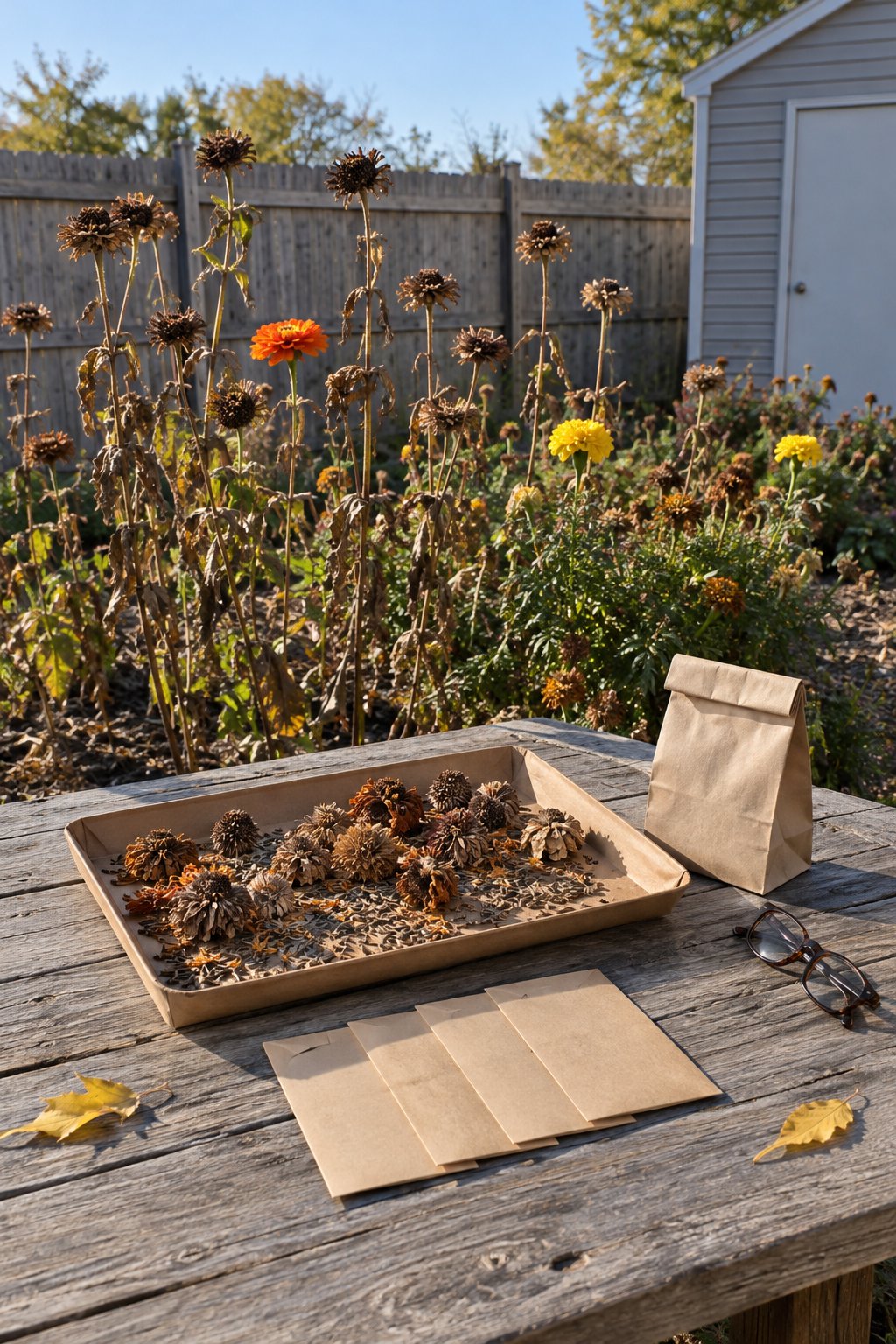
Zinnias, marigolds and cosmos are among the easiest flowers to save seed from. Let a few blooms dry on the stalk, then dry the seed another week or two.
Seed from a hybrid may not match its parent, so save from open-pollinated flowers.
19. Trade Divisions at a Neighborhood Plant Swap

Most gardeners have extra divisions they will never plant. Pot a few, label each with its name and light needs, and trade them at a swap run by a garden club, library or master gardeners.
Leave out anything on your state’s invasive list, or whose tag says propagation is prohibited.
20. A Bag of Daffodil Bulbs Planted Now for April
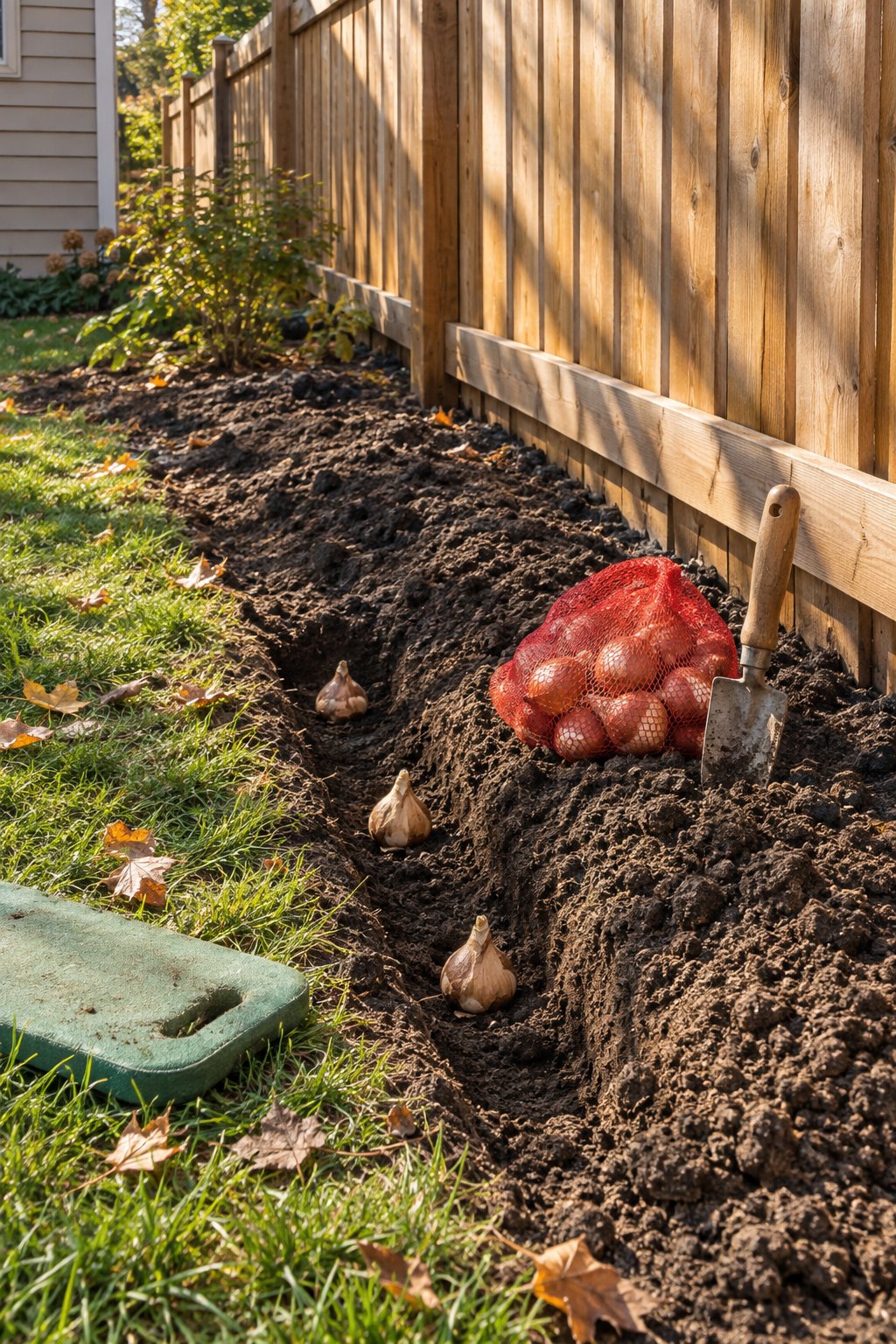
Daffodils are cheap spring color, and fall is the time to plant them. Dig each hole about 6 inches deep and set the bulb pointed end up.
Choose sun to part shade with soil that drains, and plant before the ground freezes.
21. Smother the Worst Patch of Lawn Under Cardboard and Wood Chips
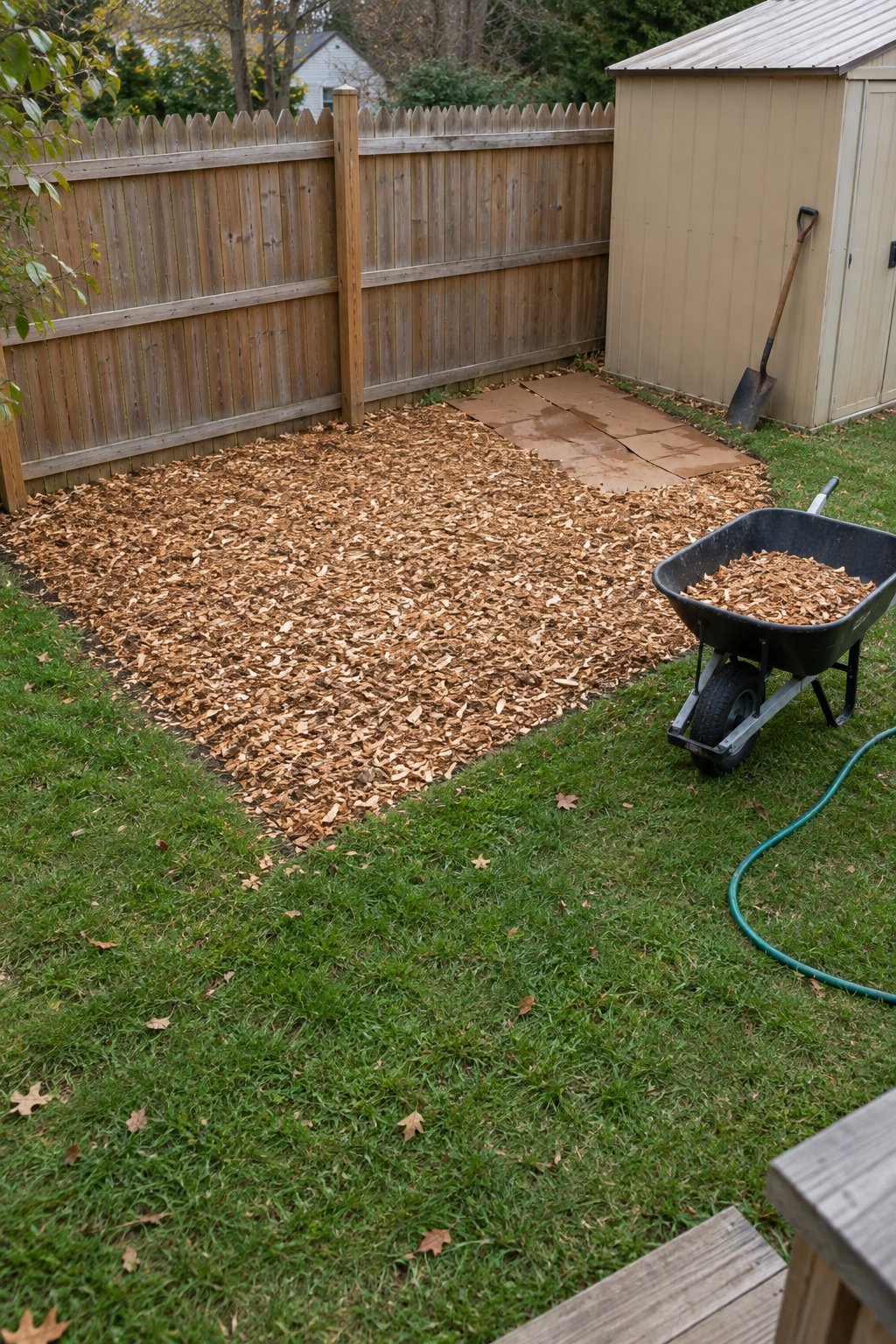
You can turn grass into a bed without digging it up. Mow the patch low, cover it with plain cardboard overlapped at the edges, tape and staples removed, and wet it down.
Top it with 4 to 6 inches of wood chips, and fall is a good time to start.
22. Free Arborist Chips Around the Shrubs
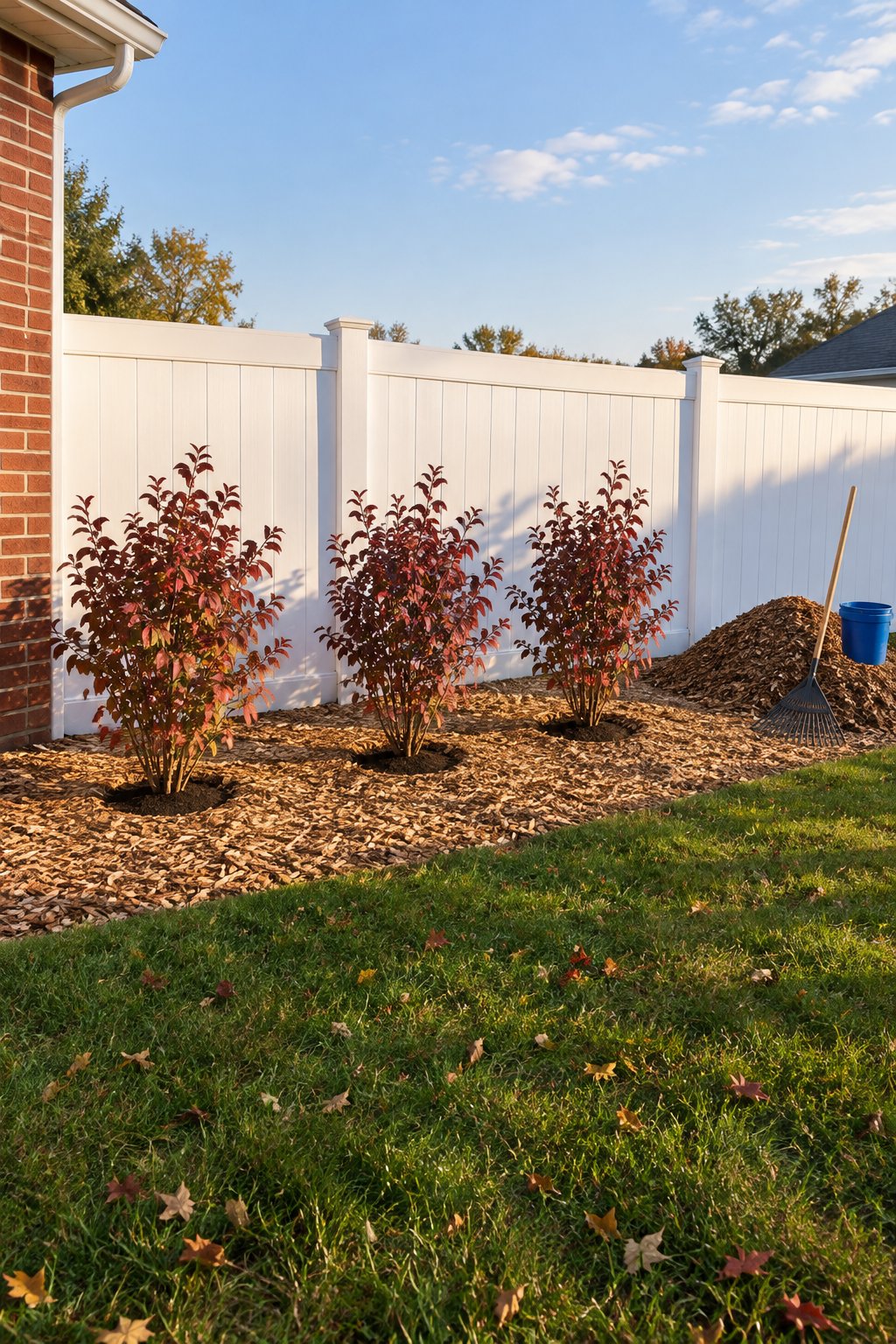
Tree crews chip branches all day, and some will leave a load if you ask. Call one, or check whether your town gives out free mulch, and ask what trees the chips came from.
Spread 2 to 4 inches, and keep it about 4 inches back from every trunk and stem.
23. Mow the Fallen Leaves and Spread Them as Mulch

Raked leaves are free mulch that most people bag and haul away. Mow a dry layer a couple of times, then rake the shreds 2 to 3 inches deep over the beds, a few inches off stems.
Extra leaves go in a wire-ring bin, where they turn into leaf mold in one to two years.
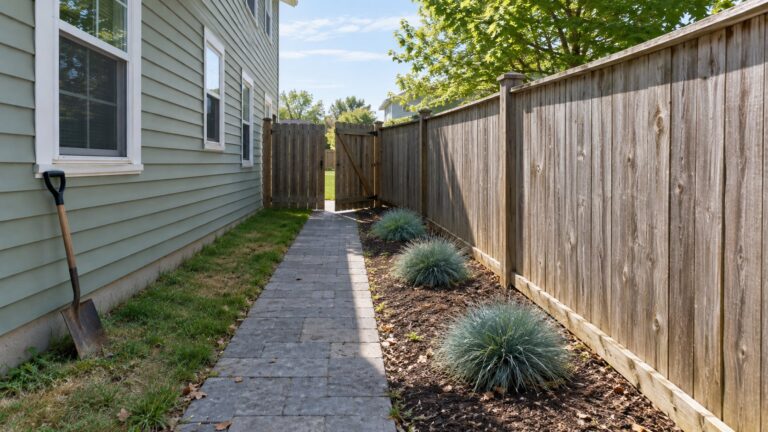
24. Cut a Clean Spade Edge Instead of Buying Edging
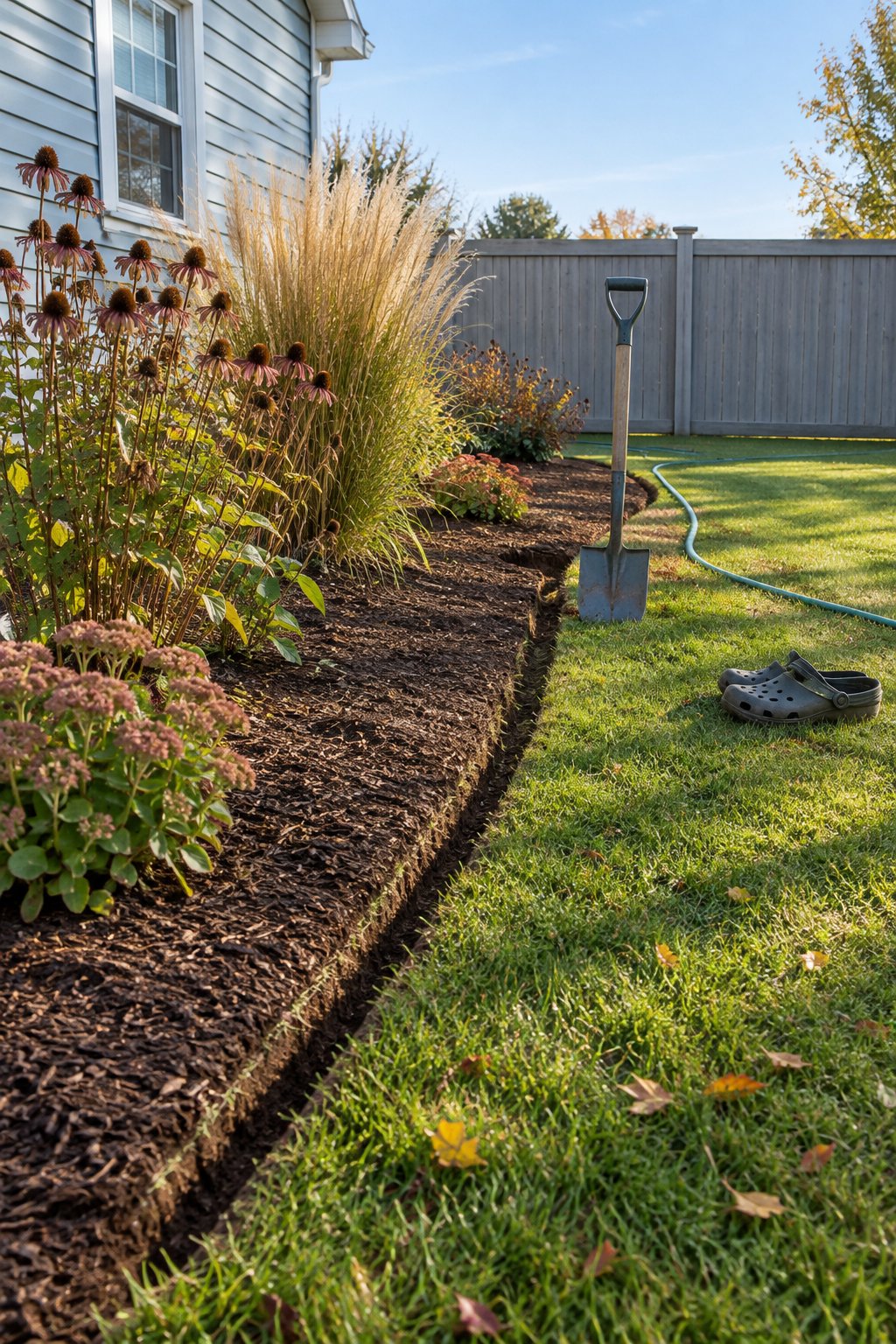
A sharp half-moon edge costs nothing. Lay a hose for the curve, push a flat spade straight down on the bed side, angle the second cut back and lift out the V of turf.
Make the trench about 3 to 4 inches deep and re-cut it once or twice a season, because grass creeps back.
For stone, brick or steel that stays put, see my flower bed edging ideas.
Six Numbers and Dates to Keep
A few figures do most of the work in this list.
Check your own dates with your county extension office.
| What | The figure | Used in |
|---|---|---|
| Mowing height, cool-season lawn | About 3 inches, never more than a third off at once | No. 1 |
| Seeding a cool-season lawn | Late summer to early fall, or early spring | No. 2 |
| Soil sample depth, lawn | 3 to 4 inches, from many spots mixed | No. 3 |
| Hardwood cuttings | About 6 inches, pencil thick, top 2 inches showing | No. 15 |
| Daffodil bulbs | About 6 inches deep, pointed end up, before the ground freezes | No. 20 |
| Wood chip mulch | 2 to 4 inches deep, about 4 inches back from trunks | No. 22 |
Six Budget Yard Mistakes That Cost You Twice
Fertilizer and lime bought by guess
Do thisSend a soil sample to your extension lab first. Buy only what the report calls for.
Fabric or plastic under the mulch
Do thisSpread organic mulch straight onto the soil, 2 to 4 inches deep. Weeds root in the mulch that settles on top of fabric, and plastic and fabric slow the air and water that roots need.
Seeding the lawn in the wrong season
Do thisSow cool-season grass in late summer to early fall, or early spring, and warm-season grass in late spring to early summer. Seed sown out of season is mostly wasted.
Solar lights parked in the shade
Do thisPut the panel where it gets direct sun for most of the day, or choose a light with a separate panel on a cable. A shaded panel barely charges.
Free plants that take over
Do thisLook up any plant you are given before it goes in the ground. Check your state’s invasive list, and keep spreaders such as mint in their own pot.
Fixed structures before the rules check
Do thisAsk your town and HOA about permits and height limits before you set posts or build anything fixed. Then call 811 before you dig.
Spend in This Order, and Leave the Rest for Next Year
A bare yard can swallow any budget, so the order matters more than the total.
Spend first on whatever stops you using the yard: bad ground, no shade, nowhere to sit.
Light and privacy come next, and plants come last, because time does most of their work.
The calendar breaks ties: fall rewards lawn seed, bulbs, divisions and mulch, and spring rewards sowing and swaps.
Pergolas, fences and new patios can wait a year, until you know where you actually sit.
Start with the free changes: set the mower to 3 inches and find where the shade already falls.
One finished change a weekend, in this order, turns a plain yard into one you sit in.
When you want a bigger plan, my backyard ideas go further, and my small backyard ideas on a budget fit a tighter lot.
Frequently Asked Questions
What are the best cheap backyard ideas to do first?
Start with the free ones: mow at about 3 inches, move the chairs into the shade the yard already makes and spread shredded leaves or free wood chips. The best low budget backyard ideas fix the ground and the shade before anything is bought.
When should I overseed a thin lawn?
Cool-season grass is seeded from late summer to early fall, with early spring as the backup. Warm-season grass goes in from late spring to early summer, and a rented core aerator opens the soil first.
Where can I get free mulch?
Ask local tree-care companies, and check whether your town or county gives out wood chips or compost. Ask what trees the chips came from, and shredded fall leaves are free too.
Which DIY backyard ideas on a budget cost nothing?
Rooting coleus in water, taking dogwood or forsythia cuttings, dividing a hosta or daylily and saving zinnia or marigold seed cost nothing but time. Skip any plant whose tag says propagation is prohibited.
Which easy backyard ideas on a budget suit a renter?
Anything that leaves no mark: folding chairs, a pop-up canopy, lights on a timer, jar-rooted cuttings and leaf mulch. Ask the landlord before you drive posts, cut new beds or plant in the ground.
You Might Also Like

Save This For Later
Loved backyard ideas on a budget? Save this pin to your Pinterest board now so you can find it again anytime you need the inspiration.